Can Cats Eat Shrimp? Cooked vs Raw, Shells, Sodium and Safe Amounts
 Shiloh’s House Team
·
·
15 min read
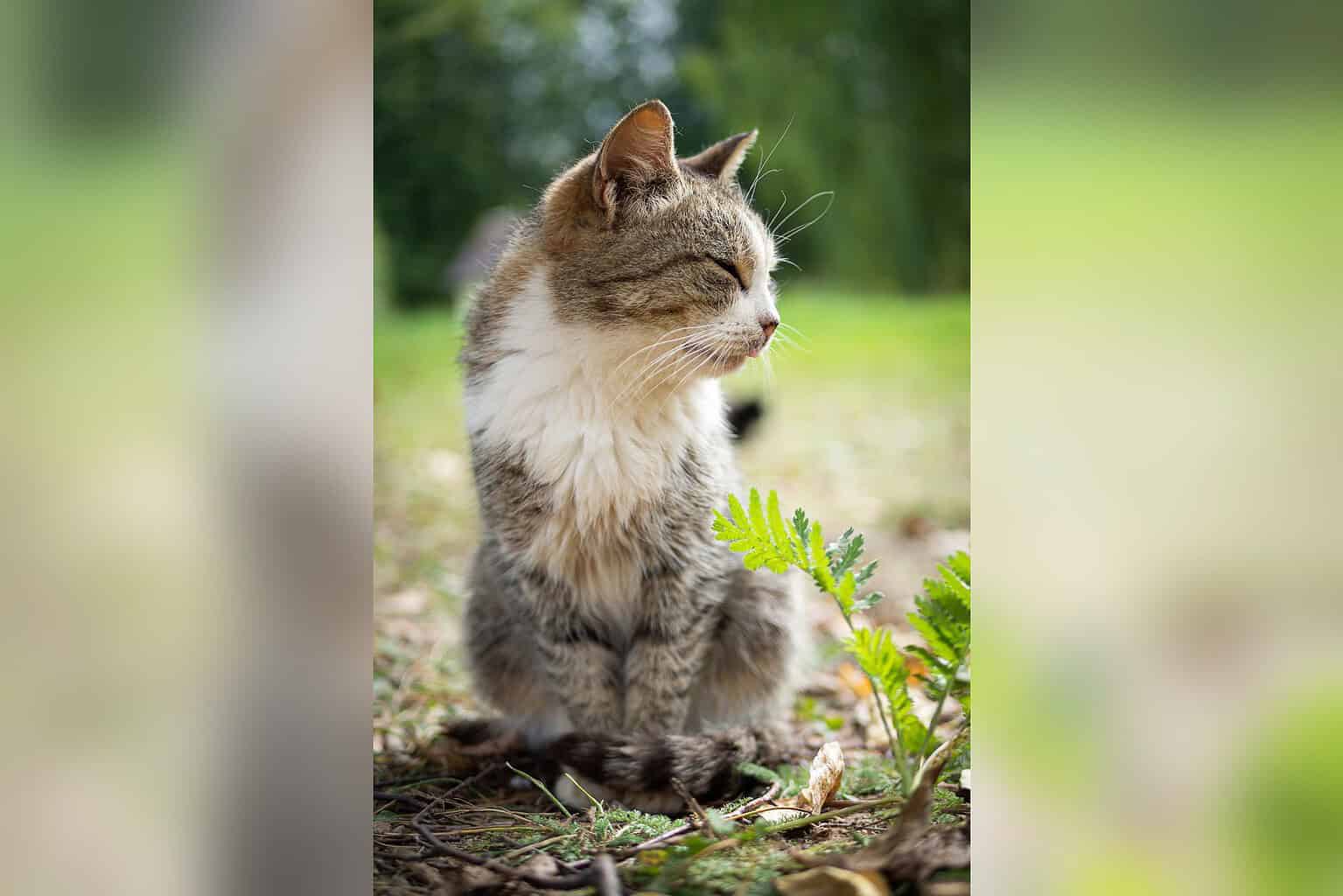
Yes, cats can eat shrimp, as long as it is plain, fully cooked, peeled and deveined, and served in small amounts. A few grams of steamed or boiled shrimp is a safe, high-protein treat for most healthy cats. Skip raw shrimp, shells, tails and heads, and anything cooked with garlic, butter, salt or seasoning. Keep shrimp inside your cat’s 10% treat budget, which is only about 20 calories a day for a typical 10-pound cat.
Last updated: October 2025
Can cats eat shrimp safely?
Yes. Shrimp is not toxic to cats, and veterinarians writing for PetMD, Fetch and Adopt a Pet all describe plain cooked shrimp as a safe occasional treat. PetMD’s Dr. Sandra C. Mitchell calls it a low-calorie, high-protein snack that should be well cooked, never raw, with the shell and tail removed.
The “yes” depends on four conditions:
- Cooked, not raw. Raw shrimp can carry bacteria such as vibrio, E. coli and salmonella. Cooking kills them.
- Peeled and deveined. Shells, tails and heads are hard to digest and can cause choking or a blockage.
- Plain. No garlic, onion, butter, oil, salt, lemon pepper, cocktail sauce or breading. Garlic and onion are toxic to cats even in small amounts.
- Small. Shrimp is a treat, not a meal.
Dr. Aliya McCullough, Fetch’s staff veterinarian, notes that shrimp is unlikely to significantly change a cat’s health when served as a treat. It earns its place because it is lean and easy to portion. If your cat already gets fish now and then, our guide on whether cats can eat tuna covers how seafood fits into the treat budget, and dog owners in the same house can check our separate guide to shrimp for dogs.

What nutrients does shrimp give a cat?
Shrimp is almost pure protein and water. It has very little fat and essentially no carbohydrate, which suits an obligate carnivore. The table below uses USDA FoodData Central values for cooked shrimp (FDC ID 175180) and raw shrimp (FDC ID 175179). The per-ounce column is our own multiplication of USDA’s per-100-gram figures, rounded.
| Nutrient | Cooked, per 100 g | Cooked, per 1 oz (28 g) | Raw, per 100 g |
|---|---|---|---|
| Calories | 99 kcal | About 28 kcal | 85 kcal |
| Protein | 24.0 g | About 6.8 g | 20.1 g |
| Fat | 0.28 g | About 0.08 g | 0.51 g |
| Sodium | 111 mg | About 31 mg | 119 mg |
| Phosphorus | 237 mg | About 67 mg | 214 mg |
| Cholesterol | 189 mg | About 54 mg | 161 mg |
| Water | 74.3 g | About 21 g | 78.5 g |
A few things stand out. Cooked shrimp has roughly one calorie per gram, which makes portioning easy: a 10-gram piece is about 10 calories. It is lean, so it is a better choice than buttery or fatty table scraps. And the sodium in plain, untreated shrimp is modest. The catch is that many bags of frozen shrimp are not untreated, which we cover below.
Why is raw shrimp risky for cats?
Raw seafood may look like natural cat food, but raw shrimp carries real food-safety problems. In 2015, Consumer Reports published one of the largest retail shrimp investigations in the United States. Its testers bought 342 packages of frozen shrimp, 284 raw and 58 cooked, at supermarkets, big-box stores and natural food stores in 27 cities. They tested for salmonella, vibrio, Staphylococcus aureus, E. coli and listeria.
The results were sobering. Sixty percent of the raw shrimp samples tested positive for at least one of those bacteria. Seven raw samples carried MRSA, an antibiotic-resistant staph bacterium. Vibrio, the bacterium best known for making people sick after eating raw oysters, turned up on 28 percent of the uncooked frozen samples, which surprised the researchers because freezing is often assumed to kill it. Wild U.S. shrimp were the least likely to carry bacteria, at 20 percent of samples.
Even cooked shrimp was not spotless. Consumer Reports found bacteria, including vibrio and E. coli, in 16 percent of the cooked, ready-to-eat samples. That does not mean cooked shrimp is dangerous, but it does mean that a bag of thawed cocktail shrimp left on the counter is not automatically clean. The good news in the same report is that cooking shrimp yourself destroys almost all of the bacteria they found.
Those are human food-safety numbers, but cats can get sick from the same germs, and a cat that sheds bacteria in its litter box can pass them to the people who clean it. That is why every veterinary source we reviewed says shrimp for cats should always be cooked.
Cooking shrimp properly is easy. The FDA says shrimp is done when the flesh becomes firm, pearly and opaque, and that most seafood should reach an internal temperature of 145 degrees Fahrenheit. Steaming or boiling in plain water is the simplest method. Keep raw shrimp cold until it goes into the pot, wash your hands and cutting board after handling it, and throw raw shells and veins straight into a lidded trash can so your cat cannot pick through them.
There is a second, quieter reason to avoid raw shrimp, and it is specific to cats. Some fish and shellfish contain thiaminases, enzymes that break down thiamine, also called vitamin B1. A 2013 review in the Journal of the American Veterinary Medical Association explains that fish and shellfish are known sources of thiaminases, that the amount varies by species, and that the concern is greatest for owners feeding raw fish or shellfish diets or large amounts of raw fish. Cats need far more thiamine than dogs and cannot make enough of it themselves. A deficiency can cause appetite loss, vomiting and, in severe cases, serious neurological signs such as wobbling, dilated pupils, seizures and a characteristic downward bending of the neck.
The important part is that thiaminases are heat labile, which means cooking destroys them. The Animal Medical Center in New York gives cat owners the same message: if you feed your cat raw fish or shellfish, the enzyme could deplete the natural thiamine, and cooking destroys the enzyme. So this is a myth and a fact at the same time. A single bite of cooked shrimp will not cause thiamine deficiency. Regular raw shellfish in a homemade diet could contribute to one.
Cooked shrimp gives your cat the same protein without the bacteria or the thiaminase, so there is no reason to serve it raw.
Are shrimp shells, tails and heads dangerous for cats?
Yes, they are the part of the shrimp to keep out of reach. The shell, tail and head are made largely of chitin, a tough material that cats do not digest well. Dr. Amy Fox, writing for Adopt a Pet, explains that a large piece of shell or tail can be a choking hazard and can cause vomiting, diarrhea or an intestinal blockage if it gets stuck. PetMD adds that these parts offer minimal nutritional benefit anyway, so there is nothing to gain by leaving them on.
Tails are the piece most likely to end up inside a cat, because so much shrimp is sold “tail-on” and people tend to toss them on a plate or into an open trash can. A cat that steals a tail usually crunches it partway and swallows the rest. Small fragments often pass, but a bigger piece can lodge in the stomach or intestines.
Peeling and deveining takes a minute. Pull off the legs and shell, pinch off the tail, then run a knife along the back and lift out the dark vein, which is the digestive tract. Dr. McCullough at Fetch specifically recommends removing the shell and tails and deveining shrimp before sharing it. Then cut the meat into small, cat-sized pieces, because even plain shrimp can be gulped.
How much sodium is in frozen shrimp?
More than you might expect, depending on the bag. Shrimp naturally contain some sodium. A Global Seafood Alliance technical article notes that freshly harvested shrimp can have 250 to 300 milligrams of sodium per 100 grams of meat, and that levels drop as shrimp are iced and processed. USDA’s figure for plain cooked shrimp is lower, at 111 milligrams per 100 grams.
The bigger variable is processing. Since the 1960s, shrimp processors have used phosphates such as sodium tripolyphosphate, often written as STPP on the label, as moisture-retention agents. They are generally recognized as safe, and they help shrimp hold water so it stays plump after freezing and thawing. Salt is often added alongside them. The same Global Seafood Alliance article says that proper use of phosphates and salt can add 50 to 250 milligrams of sodium per 100 grams of shrimp meat, and that longer soaks or stronger solutions add more.
A small piece of treated shrimp will not harm a healthy cat. But cats with heart or kidney disease are often on sodium-controlled diets, and a treat that quietly doubles its sodium is worth avoiding. The fix is simple: read the ingredient list. If it says only “shrimp,” the sodium is natural. If it lists salt, sodium tripolyphosphate or sodium bisulfite, choose a different bag for your cat, or skip shrimp for a cat with a medical diet.
One more note: in August 2025 the FDA advised consumers not to eat certain lots of imported frozen shrimp linked to cesium-137 contamination, and several brands issued recalls. Check the FDA recall list before sharing shrimp from your freezer.
Why are garlic, butter and seasoned shrimp dangerous for cats?
Most shrimp people eat is not plain, and the preparation, not the shrimp, is where the real danger lies.
Garlic is the biggest problem. The Merck Veterinary Manual says cats are the most susceptible species to garlic and onion poisoning, and that garlic is 3 to 5 times more toxic than onion. The sulfur compounds in garlic, onions, chives and leeks damage red blood cells and cause a type of anemia called Heinz body hemolytic anemia. The ASPCA’s veterinary toxicologists list the dose of concern in cats at about 1 gram of garlic per kilogram of body weight, which is a small amount for a 4- or 5-kilogram cat. Signs may not show for several days, so a cat that seems fine the next morning is not necessarily in the clear.
Butter and oil add fat that can trigger vomiting or diarrhea. Breading, salty rubs, cocktail sauce and marinades add fat, sodium and often onion or garlic. Our list of foods cats can’t eat explains the other kitchen ingredients to watch for.
| Shrimp form | Safe for cats? | Why |
|---|---|---|
| Plain steamed or boiled, peeled, deveined | Yes, in small amounts | Lean protein, bacteria killed by cooking, no toxic ingredients |
| Raw shrimp | No | 60% of raw retail samples carried bacteria in Consumer Reports testing; contains thiaminase |
| Shells, tails, heads | No | Hard to digest; choking and blockage risk |
| Garlic butter, scampi, garlic or onion seasoning | No | Garlic and onion damage cats’ red blood cells; butter adds fat |
| Fried, breaded or tempura shrimp | No | High fat, extra calories and often seasoned batter |
| Shrimp with cocktail sauce or marinade | No | Sauces often contain onion, garlic, salt and sugar |
| Frozen pre-cooked cocktail shrimp, plain | Occasionally, with care | 16% of cooked samples carried bacteria; check the label for salt and STPP. Our suggestion is to reheat until steaming, cool, then peel |
| Dried shrimp snacks or shrimp chips for people | No | Usually salted and seasoned; easy to overfeed |
| Shrimp-flavored cat food or cat treats | Yes | Made for cats; count treats toward the 10% allowance |
How much shrimp can a cat eat?
Veterinary nutritionists at Tufts University recommend that treats and table food make up less than 10% of a cat’s daily calories. Tufts gives a handy reference point: a 10-pound cat typically needs just over 200 calories a day, so no more than about 20 calories should come from treats. PetMD suggests about half a shrimp for a small cat and one full shrimp for a large cat, once or twice a week.
The table below is our own suggestion, not a veterinary prescription. We estimated each cat’s daily calories with the resting energy formula listed in the Merck Veterinary Manual (70 multiplied by body weight in kilograms to the 0.75 power), took 10% as the treat allowance, and converted it to grams of cooked shrimp at USDA’s 99 calories per 100 grams. The last column is about half the allowance, because most cats get other treats too.
| Cat weight | Est. daily calories | Full 10% treat allowance | Cooked shrimp that uses all of it | Our suggested shrimp serving |
|---|---|---|---|---|
| 6 lb | About 150 | 15 kcal | About 15 g (0.5 oz) | About 7 g (0.25 oz, 7 kcal) |
| 8 lb | About 185 | 18 kcal | About 18 g (0.65 oz) | About 9 g (0.3 oz, 9 kcal) |
| 10 lb | About 200 to 220 | 20 to 22 kcal | About 20 to 22 g (0.75 oz) | About 10 g (0.35 oz, 10 kcal) |
| 12 lb | About 250 | 25 kcal | About 25 g (0.9 oz) | About 12 g (0.4 oz, 12 kcal) |
| 15 lb | About 295 | 30 kcal | About 30 g (1 oz) | About 15 g (0.5 oz, 15 kcal) |
Shrimp sizes vary so much that “one shrimp” is not a reliable unit, so weigh a cooked, peeled piece the first time. Real needs vary with age, activity and body condition, and our cat feeding chart by weight walks through how to estimate them. Lean cooked chicken works the same way, and our guide to chicken for cats has its own portion table.
Which cats should skip shrimp or eat less?
A few groups need more care, and a call to your vet comes first for each.
Cats with food allergies. Food allergy in cats is real, but shrimp is not one of the usual suspects. A 2016 review in BMC Veterinary Research pooled published cases of 78 cats with confirmed food allergies and found the most common triggers were beef (18%), fish (17%) and chicken (5%). Shellfish was not on the list. Dr. McCullough at Fetch likewise says the likelihood of a cat being allergic to shrimp is low. Low is not zero, though. If your cat is already on an elimination diet or has a known seafood allergy, do not add shrimp without your vet’s go-ahead, because even one treat can spoil a food trial. Reactions usually show up as itchy skin, vomiting or diarrhea.
Cats with hyperthyroidism. Shrimp and other shellfish absorb iodine from seawater, and iodine matters for cats being treated for an overactive thyroid.
“Shrimp has high iodine content compared to other foods and may make it hard to get a cat with hyperthyroidism regulated on their medication.”
Dr. Aliya McCullough, staff veterinarian, Fetch Pet Insurance, The Dig (2025)
Cats with kidney or heart disease. These cats are often on diets that control phosphorus and sodium. Cooked shrimp has 237 milligrams of phosphorus per 100 grams, and treated frozen shrimp can carry extra sodium. Tufts’ guidance on kidney-friendly treats, written for dogs, suggests treats under 150 milligrams of phosphorus per 100 calories. Plain shrimp is well above that, so ask your vet before sharing.
What should you do if your cat ate raw or seasoned shrimp?
Start by working out what was eaten, how much and when, and whether it was raw, shell-on or seasoned.
Raw shrimp. One raw shrimp is unlikely to cause more than a mild stomach upset in a healthy adult cat. Call your vet if vomiting, diarrhea, fever, lethargy or appetite loss appear over the next few days.
Shells or tails. Watch for gagging, drooling, pawing at the mouth, repeated vomiting, loss of appetite, a painful belly or straining in the litter box. Those can be signs that a piece is stuck, and they need a vet visit. Our guide to why a cat is throwing up explains which vomiting patterns are urgent.
Garlic, onion or heavily seasoned shrimp. Call your vet or a pet poison line right away, even if your cat seems fine, because the anemia from garlic and onion can take several days to appear. ASPCA Animal Poison Control is available 24 hours a day at (888) 426-4435, and Pet Poison Helpline is at (855) 764-7661. Both may charge a consultation fee. Do not try to make your cat vomit at home. Unlike dogs, cats need a vet to do this safely.
Having your cat’s details in one place makes these calls faster. In Lohji, the free Shiloh’s House app, you keep the pet profile that a Shiloh’s House smart tag opens when someone taps it with a phone, including emergency contacts, your vet, and medical and behavior notes such as “hyperthyroid, no shellfish” or “food allergy, strict diet.” Get it on the App Store or Google Play.
Keep your cat’s diet and medical notes one tap away
Shiloh’s House smart tags are laser-engraved premium acrylic with a “Tap Phone Here” NFC back. A finder taps with a phone, no app needed, and sees a live profile with call, text and directions, voice messages, medical notes and multiple contacts. Waterproof, scratch-resistant and UV-stable, made in the USA in 35 designs for $38 with no subscription, plus 30-day returns.
Frequently asked questions
Can cats eat cooked shrimp every day?
It is better as an occasional treat. PetMD suggests a small amount once or twice a week for most cats. Daily shrimp uses up much of a small treat budget and adds iodine and phosphorus, so rotate it with other low-calorie treats.
Can cats eat raw shrimp?
No. Consumer Reports found bacteria such as vibrio and E. coli on 60 percent of raw frozen shrimp samples it tested, and raw shellfish can contain thiaminase, an enzyme that destroys vitamin B1. Cooking until the flesh is firm, pearly and opaque kills the bacteria and destroys the enzyme, so always cook shrimp before sharing it with your cat.
Can cats eat shrimp tails?
No. Shrimp tails and shells are made largely of chitin, which cats do not digest well. A tail can scratch the mouth or throat, cause vomiting, or get stuck in the stomach or intestines. Remove them before serving and bin the leftovers securely.
Can kittens eat shrimp?
Healthy kittens can have a tiny taste of plain, cooked, peeled shrimp, but there is no need to offer it. Kittens need their calories from a complete kitten food, and their stomachs are sensitive. If you do share, keep it to a pea-sized piece and watch for loose stools.
Is shrimp-flavored cat food safe?
Yes. Shrimp-flavored cat foods and treats are made for cats and do not contain the garlic, butter or salt found in human dishes. Shrimp-flavored treats still count toward the 10% treat allowance, so check the calories per piece on the package.
Can cats be allergic to shrimp?
It is possible but uncommon. A 2016 review of 78 cats with confirmed food allergies found beef, fish and chicken were the most common triggers, and shellfish was not listed. Stop the shrimp and call your vet if you see itching, vomiting or diarrhea after a first taste.
Sources
- Crustaceans, shrimp, cooked (FDC ID 175180), USDA FoodData Central (2019)
- Crustaceans, shrimp, raw (FDC ID 175179), USDA FoodData Central (2019)
- The Most Popular Holiday Foods That Your Pet Should Avoid, Tufts Cummings School of Veterinary Medicine, Petfoodology (2023)
- Treat Options for Dogs and Cats Without Unbalancing Their Diet, Tufts Cummings School of Veterinary Medicine, Petfoodology (2021)
- What Treats Can I Give My Dog With Kidney Disease?, Tufts Cummings School of Veterinary Medicine, Petfoodology (2018)
- Can Cats Eat Shrimp?, Sandra C. Mitchell, DVM, PetMD (2024)
- Can Cats Eat Shrimp?, Fetch Pet Insurance, The Dig (2025)
- Can Cats Eat Shrimp?, Amy Fox, DVM, Adopt a Pet (2024)
- How Safe Is Your Shrimp?, Consumer Reports (2015)
- Consumer Reports Finds Potentially Harmful Bacteria and Illegal Antibiotic Residues in Tests of Frozen Shrimp, Consumer Reports (2015)
- Selecting and Serving Fresh and Frozen Seafood Safely, U.S. Food and Drug Administration
- FDA Advises Public Not to Eat, Sell, or Serve Certain Imported Frozen Shrimp from an Indonesian Firm, U.S. Food and Drug Administration (2025)
- Thiamine deficiency in dogs and cats, Journal of the American Veterinary Medical Association (2013)
- Thiamine Deficiency in Cats: Q and A for Cat Families, The Animal Medical Center (2013)
- Salt, sodium in shrimp, Laura Garrido, Global Seafood Alliance, Responsible Seafood Advocate (2008)
- Garlic and Onion (Allium spp) Toxicosis in Animals, Merck Veterinary Manual
- Common Feline Toxic Exposures and Their Treatment, ASPCApro (2019)
- Critically appraised topic on adverse food reactions of companion animals (2): common food allergen sources in dogs and cats, Mueller, Olivry and Prélaud, BMC Veterinary Research (2016)
- Nutritional Requirements of Small Animals, Merck Veterinary Manual
- ASPCA Animal Poison Control, ASPCA