3 A.M. Zoomies & Midnight Meowing: Why Your Cat Goes Wild at Night (And How to Sleep Again)
 Shiloh’s House Team
·
·
3 min read
Shiloh’s House Team
·
·
3 min read
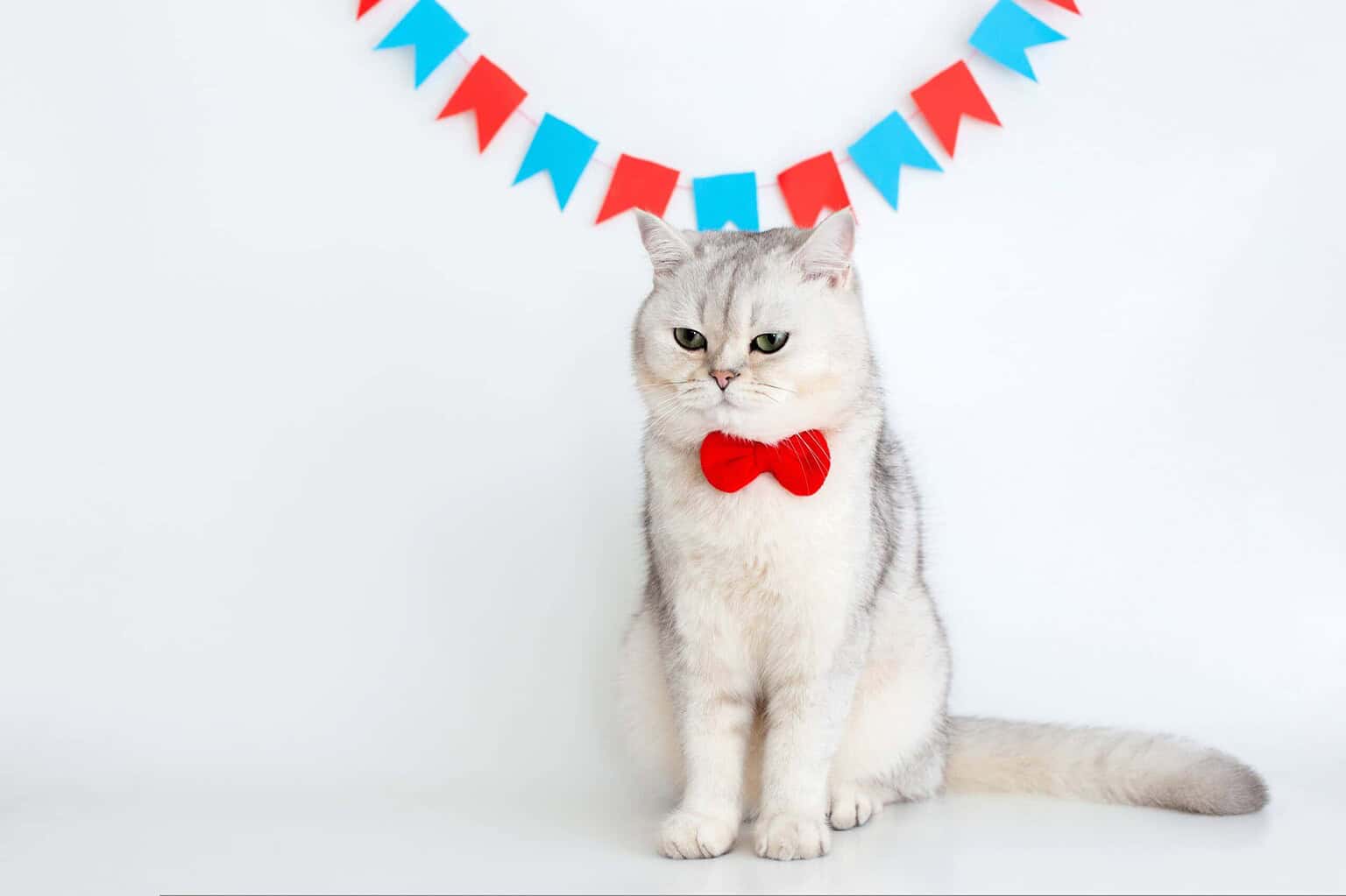
It’s 3 a.m. Something thunders down the hallway, ricochets off the couch, and yowls at your bedroom door like the house is on fire. The house is not on fire. That’s just your cat, and “why does my cat get the zoomies at night” is one of the most-searched cat questions on the internet for a reason: every cat household knows this exact soundtrack.
First, the myth: cats aren’t nocturnal
Cats are crepuscular — wired to be most active at dawn and dusk, when their ancestors’ prey was out. So the pre-dawn sprint isn’t your cat malfunctioning; it’s your cat performing exactly to spec. The problem is that their spec and your sleep schedule disagree.
What the zoomies actually are
Those frantic bursts have a real name: Frenetic Random Activity Periods, or FRAPs. They’re how cats burn stored hunting energy that never got spent. A cat who dozed through your entire workday has a full tank at midnight, and the hallway becomes the savanna. Zoomies also commonly hit after the litter box (a mix of relief and instinct to flee the scene) and after a big meal. In a healthy cat, zoomies are a sign of energy, not a problem.
Why the midnight meowing, though?
The 3 a.m. yowl at your door is usually one of three things: your cat wants breakfast and has learned that noise eventually produces it, your cat wants attention and has learned the same lesson, or your cat is bored out of their mind. Every time the meowing works — you get up, you feed, you even yell — the behavior gets a paycheck. Cats are ruthless about what earns a paycheck.
How to actually get your sleep back
Hunt, feast, groom, sleep. That’s the natural cat sequence, and you can hijack it: a hard 15-minute play session right before bed (wand toys that let them stalk, pounce, and “kill”), followed immediately by their biggest meal of the day. A cat who has hunted and feasted is a cat who grooms and crashes.
Feed the 3 a.m. slot without waking up. An automatic feeder set for the early morning breaks the association between “human wakes up” and “food appears.” The cat yells at the robot now. The robot does not care.
Make the day more expensive. Window perches, puzzle feeders, rotated toys, even a second play session when you get home. Energy spent at 6 p.m. is energy unavailable at 3 a.m.
Ignore the door concert. The hard one. Any response, even a “knock it off,” is a paycheck. Consistency wins in a week or two; inconsistency trains a louder cat.
When nighttime chaos is worth a vet call
A new pattern of night yowling in a cat past age 10 deserves attention — it can signal hyperthyroidism (a common, treatable condition in older cats, per the Cornell Feline Health Center), high blood pressure, hearing loss, or cognitive changes, all of which are manageable when caught. Same if the zoomies come with frantic grooming, skin twitching, or genuinely panicked (not playful) energy. You know your cat’s normal. Changes are the signal.
One more thing about dawn and dusk
The same crepuscular clock that powers the 3 a.m. rally means cats are most motivated to slip outside at dawn and dusk — exactly when it’s dark, you’re groggy, and doors get held open. It’s a big part of why indoor cats end up outside more than anyone plans for. A Shiloh’s House smart NFC tag is feather-light acrylic with no jingle (your cat’s dignity remains intact), and whoever finds them just taps the tag with any phone to see how to reach you. The zoomies are funny at home. They’re less funny in the neighbor’s yard at 5 a.m. — here’s what cat parents actually need in a tag.


Play hard before bed, feed after play, let the robot handle breakfast, and don’t pay the door concert. Give it two weeks and the 3 a.m. thunder usually moves to a civilized hour. Usually.