Why Does My Cat Sleep on Me? 7 Real Reasons (and What It Means)
 Shiloh’s House Team
·
·
6 min read
Shiloh’s House Team
·
·
6 min read
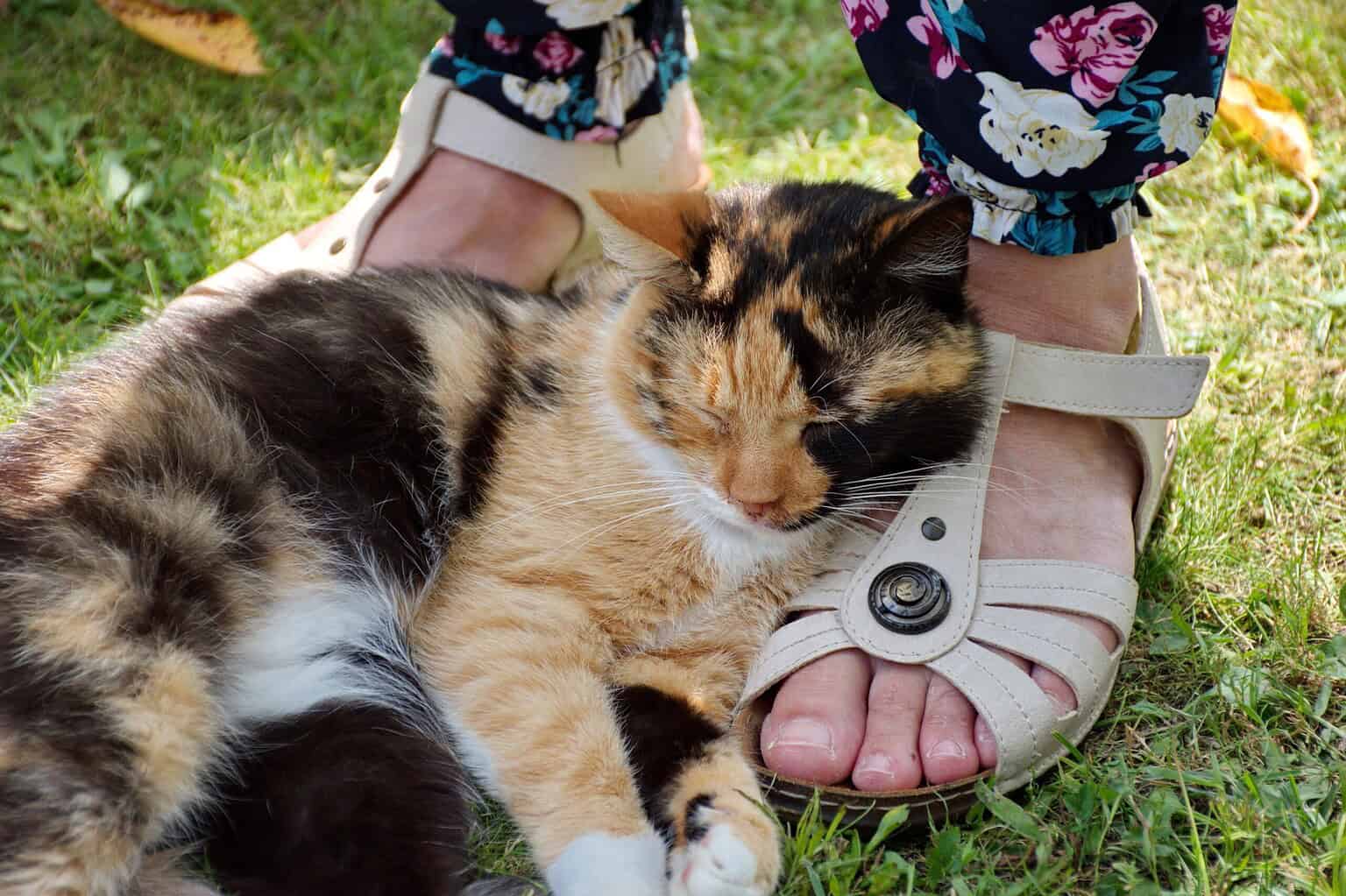
Your cat sleeps on you because you are warm, safe, and theirs. You radiate about 98.6°F of free heat, your body is the most secure spot in the house, and pressing against you mixes their scent with yours to mark you as family. It is one of the strongest signs of trust a cat can give you.
Cats sleep 12 to 16 hours a day, and sleeping is when they are most vulnerable. Choosing to spend that time on top of a large, unpredictable predator — you — is not a small compliment. Here are the seven real reasons behind it, what the specific spot they pick means, and the rare cases worth a second look.
The short answer: warmth, safety, and scent
You happen to be the only object in the house that delivers all three at once. Everything below is a variation on that theme.
| Where they sleep | What it usually means |
|---|---|
| On your chest | Deep trust — your heartbeat and breathing are soothing |
| On your head or pillow | Your head is the warmest, stillest part of you all night |
| Between your legs or on your lap | A warm, walled-in nook — the feline ideal |
| On your feet | Companionship with an escape route — common in independent cats |
| Beside you, not on you | Still affection — some cats simply run hot or dislike pressure |
1. You are a heat source
It is the same instinct that sends them to sunbeams, laptop keyboards, and the top of the radiator. A sleeping human is a heated bed that also breathes.
2. You are the safest place in the house
Sleep is when a cat is most exposed, so where they sleep tells you where they feel safest. In a home with kids, dogs, or a noisy street outside, your body is the one spot nothing else gets to approach unnoticed. Cats who were feral or under-socialized often take months to reach this point, which is why it feels like such a milestone when they finally do.
3. They are marking you as theirs
Cats have scent glands on their cheeks, chin, paws, and flanks, and pressing against you transfers their scent onto you. This is the same reason they head-butt your shins and rub the doorframe. To a cat, a shared scent means shared group — you have been formally filed under “family.” It pairs with the other affection signals we cover in why your cat licks you.
4. It is bonding behavior left over from kittenhood
Kittens sleep in a pile with littermates and their mother, and many cats carry that comfort behavior into adulthood. If your cat kneads before settling down on you, that is the same infant instinct surfacing. It is not a sign of immaturity — it is a sign they consider you a safe adult.
5. Your heartbeat and breathing are regulating
The slow, rhythmic sound of a sleeping human is genuinely calming to a bonded cat. This is the most common explanation for chest-sleepers specifically. Cats who are anxious, newly adopted, or adjusting to a house move often gravitate to the chest first and relax their sleeping spot over time.
6. Routine and territory
Cats are creatures of extremely fixed habit, and once a sleeping spot works, it becomes the spot. If your cat has slept on your left hip every night since March, they are not making a fresh decision each evening. This is also why a new partner, a new baby, or a rearranged bedroom can suddenly change the pattern.
7. They want something (sometimes)
A cat who sleeps on your chest at 4:50 a.m. and starts gently patting your face at 5:00 a.m. has combined affection with an alarm clock. If the sleeping is bundled with early-morning yowling or pacing, the schedule is doing some of the work. Our guide to 3 a.m. zoomies and midnight meowing covers how to shift that clock without punishing anyone.
When sleeping on you is worth a closer look
A sudden, dramatic change in sleeping behavior is more meaningful than the behavior itself. Worth mentioning to your vet: a cat who has never been clingy suddenly glued to you, a cat who stops sleeping on you and starts hiding, a big jump in total sleep, or sleeping paired with weight loss, appetite change, or vocalizing. Clinginess can be a comfort-seeking response to pain, thyroid problems, or failing eyesight. If you are unsure whether the amount of sleep itself is normal, we broke that down in why your cat sleeps so much.
How to gently move a cat off you (without breaking their trust)
Do not shove or startle them. Slide a warm blanket or a heated bed right next to you and lift them onto it in one calm motion, or shift your own position slowly so the spot stops being comfortable. Consistency does the rest. Putting a cozy bed in a warm, high, walled-in spot — cats love a vantage point — gives them somewhere they actually want to go instead.
The cat who trusts you most is still the one who can slip out the door
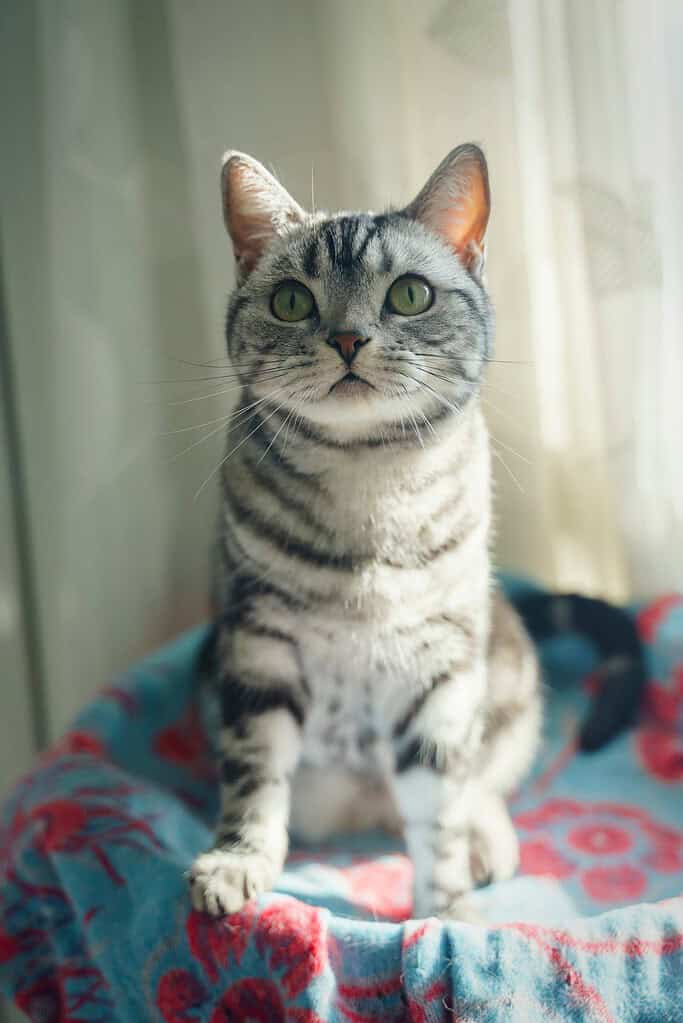
Here is the uncomfortable part. The cat curled on your chest tonight is exactly the cat who bolts through a propped-open door during a delivery, and indoor cats are the least prepared to be found. Most have no collar, so a neighbor who finds them has no way to know they belong to anyone.
That is the problem we built Shiloh’s House tags for. Ours is a lightweight designer acrylic NFC tag — a finder taps it with any phone, no app needed on their end, and sees your contact info immediately, with engraved details as a backup that works without any signal at all. Made in the USA, $38, no subscription. We are obviously biased, but we would rather your cat wear anyone’s ID than none. If you are on the fence, do indoor cats need ID tags? makes the full case.
Frequently asked questions
Why does my cat sleep on my chest specifically?
Your chest is warm, it moves rhythmically, and your heartbeat is audible. For most cats it is the single most soothing spot on a human, and choosing it is a strong sign of trust.
Why does my cat sleep on my head?
Your head stays warm and mostly still all night, and it is high up — cats prefer elevated sleeping positions. Long-haired humans also make an appealing nest.
Does my cat sleeping on me mean they love me?
It means they trust you and consider you part of their group, which is about as close to a feline declaration as it gets. Cats do not sleep on things they feel unsafe around.
Should I let my cat sleep in my bed?
For most healthy adults it is fine and often good for both of you. Reconsider if you have allergies, asthma, very disrupted sleep, or a newborn in the bed.
Why did my cat suddenly stop sleeping on me?
Common causes are a warmer season, a new pet or person, a changed routine, or a more comfortable spot appearing. If it comes with hiding, appetite changes, or altered litter box habits, call your vet.
Get Your Tag
Designer NFC smart pet ID that taps to your info in one touch — engraved backup, made in USA, $38, no subscription.