How to Dress Up Your Pet Without Stressing Them Out (Plus a Virtual Wardrobe)
 Shiloh’s House Team
·
·
15 min read
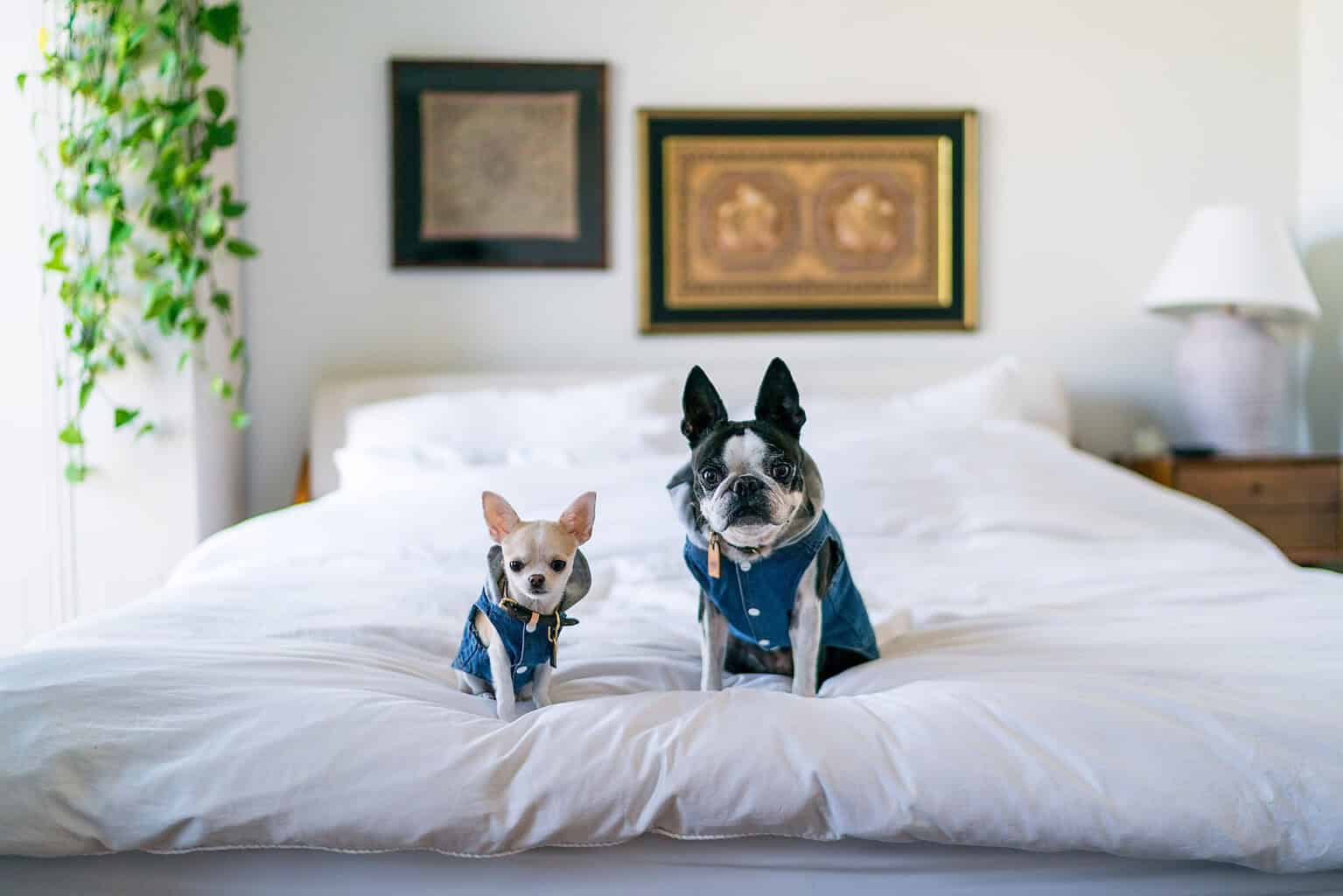
You can dress up your pet without stress if the clothes serve a purpose, fit well, and go on slowly with treats, and you stop the moment your pet shows signs of fear. Short-coated, small, hairless and senior dogs often benefit from a sweater or coat in cold weather. Most cats and many dogs simply do not enjoy costumes, so for the fun outfits, a virtual wardrobe in the free Lohji app lets you play dress-up with zero itch.
Last updated: March 2026
Should you dress up your pet at all?
Pet clothing is clearly a big deal, and not only in October. The question every pet parent should ask first is simple: does this outfit do something for my pet, or only for me? Both answers can be fine, but they lead to very different rules.
Functional clothing has a real job. The AVMA tells owners that if a dog has a short coat or seems bothered by cold weather, a sweater or dog coat is worth considering, and it suggests keeping several on hand because a wet sweater can make a dog colder. A raincoat for a dog who refuses to go out in drizzle, a light shirt for a hairless breed in summer sun, or a recovery suit your vet prescribes after surgery all fall in this group.
Fashion clothing and costumes are a different category. A bunny-ear headband or a hot dog costume does nothing for your pet’s comfort, so the bar is higher: your pet has to be relaxed in it, and you have to keep it short and supervised. Veterinary groups such as the RSPCA and AAHA both say that if a pet shows obvious discomfort, the costume should come off, and a bandana or festive collar is a kinder option.
So yes, you can dress up your pet. Just match the outfit to a reason, and let your pet’s body language have the final vote.
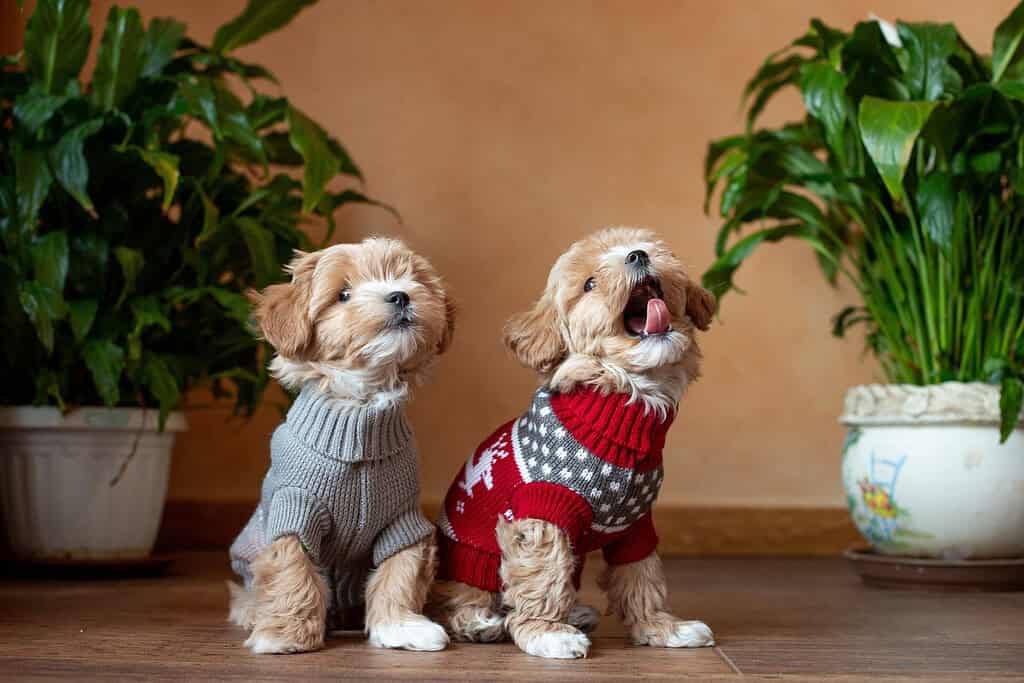
Which pets benefit from wearing clothes?
If you have been searching “should I put clothes on my dog,” the answer depends mostly on body type, coat and age. The American Kennel Club and Tufts University’s Your Dog newsletter point to the same groups of dogs that tend to need help in cold weather:
- Small and toy breeds. Chihuahuas, toy poodles and similar dogs lose body heat quickly because of their size.
- Hairless breeds. AKC says the Xoloitzcuintli, American Hairless Terrier and Chinese Crested need jackets outside in cold weather.
- Short-coated, lean dogs. Greyhounds, Whippets and Weimaraners have little fur or body fat for insulation.
- Low-riders. Dachshunds, Basset Hounds and even fluffy Corgis drag their bellies through snow and slush.
- Clipped coats. A Poodle in a short trim has lost its natural insulation.
- Puppies, seniors and dogs with health issues. Tufts notes that many older dogs have arthritis that can feel worse in cold, wet weather, and they move slower, which makes it harder to stay warm.
On the other side, large, healthy dogs with thick double coats, such as Huskies, Malamutes and Bernese Mountain Dogs, usually do not need a sweater and can overheat in one, according to AKC. For a temperature-by-size breakdown, see our guide on how cold is too cold for dogs, and if your dog clearly needs outerwear, our comparison of the best dog winter coats covers sizing by brand.
Do dogs like wearing clothes, and how can you tell if yours hates it?
Some dogs seem to enjoy a warm sweater on a cold morning, especially once they connect it with walks. Many others merely tolerate clothes, and some find them frightening. The tricky part is that a stressed dog often looks calm, or even cute, in photos.
“Avoid undue stress and don’t dress your pet unless you are absolutely sure that they’ll be ‘thrilled’ with this idea.”
Dr. Rachel Malamed, board-certified veterinary behaviorist, American Kennel Club
VCA Animal Hospitals, Purina and AKC list very similar warning signs. Watch for these while the outfit goes on and while your pet wears it:
- Freezing or moving in slow motion. A dog who stands still like a statue is not “being good.” The RSPCA lists freezing as a sign of discomfort.
- Tail low or tucked, ears pinned back, body hunched.
- Lip licking and yawning when no food is around and your dog is not tired.
- Whale eye, where the whites of the eyes show as your dog looks sideways.
- Panting, shaking or pacing in a room that is not warm.
- Refusing treats, scratching, rolling or biting at the outfit, or trying to hide.
If you see any of these, take the outfit off calmly and try an easier step another day, or skip it. Forcing clothes on a fearful dog can make handling harder later, including for the vet visits, recovery cones and medical wraps your dog may truly need someday.
How do you get a dog used to wearing clothes?

The fastest way to make a dog dislike clothing is to pull a costume over their head the night of the party. The better approach is gradual desensitization paired with something your dog loves, usually small, soft treats. Purina recommends starting as early as possible with short sessions and positive reinforcement, then slowly increasing how long the outfit stays on, as long as your dog shows no signs of distress. Veterinarian Dr. Pippa Elliott and trainer Shelby Semel, writing for Petful and Chewy, describe very similar step-by-step plans. Here is a version you can run over a week or two, with each session lasting only a few minutes.
- Step 1: Let the outfit become boring. Take it out of the packaging and leave it on the floor near where your dog relaxes, so it picks up familiar household smells. When your dog sniffs it on their own, mark the moment with a calm “yes” and a treat.
- Step 2: Touch, then treat. Hold the garment and gently touch it to your dog’s shoulder for a second. Treat. Repeat a handful of times, then stop while your dog is still happy.
- Step 3: Drape it. Lay the sweater or coat across your dog’s back without fastening anything. Treat while it rests there, then remove it. Build up from two seconds to twenty.
- Step 4: Head opening. For pull-over styles, hold the neck hole open with a treat on the other side so your dog chooses to push their head through. Never force a head through a tight opening.
- Step 5: Fasten one strap. Close a single hook-and-loop strap, give a few treats, and undo it. Add the second fastening only when the first is a non-event.
- Step 6: Wear it during something fun. Chewy suggests putting the garment on at mealtime or playtime, when your dog is focused elsewhere, and taking it off right afterward. Gradually stretch the time.
- Step 7: Take it outside. Once your dog moves, sits and lies down normally indoors, try a short walk. Watch how they move and whether they keep turning to look at the garment.
A few habits make this work. Keep sessions short, ideally ending before your dog loses interest. Use higher-value treats for the harder steps, and go back a step whenever you notice lip licking, freezing or a tucked tail. If you need ideas for small, soft rewards that are easy to deliver quickly, our roundup of the best dog training treats covers options for sensitive stomachs and picky eaters.
Start with the simplest item. A bandana or festive collar cover is a gentle first step that most dogs accept, and both the RSPCA and AAHA recommend those as alternatives for pets who do not like full costumes. A light, stretchy shirt comes next, then a sweater, and only then anything with a hood, a hat or extra pieces. Booties are a separate skill; many dogs high-step awkwardly at first and need their own slow introduction.
Finally, accept the answer your dog gives you. Some dogs will learn to love their winter coat in a week. Others will tolerate a sweater for warmth but never enjoy a costume, and a few will stay worried no matter how many treats you offer. That is not a training failure. A warm, comfortable dog who trusts your hands matters more than any photo, and there are ways to get the cute outfit pictures without putting anything on your pet at all, which we cover below.
How should pet clothes fit?
Most fit problems come from guessing a size. Chewy, The Spruce Pets and the Ontario SPCA all recommend taking three measurements with a soft tape while your dog stands on all four feet, then comparing them to the brand’s own chart.
| Measurement | Where to measure | Fit rule |
|---|---|---|
| Neck girth | Around the base of the neck, where the collar sits | Two fingers should slide under the neckline |
| Chest girth | Widest part of the rib cage, just behind the front legs | Snug, not tight; two fingers under the tape. Usually the most important number |
| Back length | Along the spine from the base of the neck to the base of the tail | Hem should end about 1 to 3 inches above the tail |
| Leg openings | Check on the garment once it arrives | Two fingers at armholes; no rubbing in the “armpits” |
| Between sizes | Any of the above | Size up, then adjust with straps |
Merck Animal Health uses the same two-finger check at the collar, cuffs, chest and shoulders, and adds that clothing should never restrict movement or breathing. For male dogs, look for a belly cutout or a slightly shorter underside so the garment stays clean.
What makes a pet outfit or costume unsafe?
Dog clothes safety comes down to a handful of rules that vets repeat every year. Before your pet wears anything, check it against this list.
- No chewable parts. Buttons, beads, snaps, pom-poms, ribbons and loose elastic can be chewed off and swallowed. PetMD quotes veterinarian Dr. Susan Jeffrey advising owners to avoid jackets with buttons, buckles or small decorative pieces because of the risk of a gastrointestinal obstruction. AKC’s Dr. Klein prefers hook-and-loop fastenings over buttons or drawstrings.
- Face, eyes and ears stay free. The RSPCA advises against anything that covers the nose or mouth, blocks vision, or encloses the head. Masks and tight hats are the usual offenders.
- Breathable, soft fabric. Merck suggests materials like cotton, spandex and polyester that are less likely to irritate skin, and notes that constant scratching at an itchy garment can lead to skin infection.
- Watch the temperature. A full-body costume can trap heat. Purina lists overheating as a costume risk, and the RSPCA says to skip costumes in hot weather.
- Always supervise. Clothing can snag on furniture or crates. Take costumes off before you leave the house or go to bed.
- Short sessions. A costume is for a photo or a party, not all day.
One more costume rule people forget: clothing can hide your dog’s body language from other dogs and from you, which PDSA warns can lead to misunderstandings at the dog park. Keep a dressed-up dog on leash and away from tense greetings.
The one accessory every outfit should have
A Shiloh’s House Smart Tag is a quiet, lightweight acrylic ID tag with your pet’s name and phone engraved on the front and NFC on the back, so anyone who finds your pet can tap it with a phone and reach you in one tap. It is waterproof, comes in 35 designs and is made in the USA.
Should you dress up your cat?
For most cats, no. Cats Protection, a UK cat welfare charity, strongly advises against dressing cats in clothing or accessories, and the Australian RSPCA says most cats will not tolerate or enjoy any costume. Registered Veterinary Nurse Helen Crofts of Cats Protection explains that cats who tolerate clothing are rare, usually ones that had lots of positive handling as very young kittens.
Clothing restricts the movement cats rely on to feel safe, interferes with grooming, which is also how cats cool themselves, and can make them overheat. One sign owners often misread: a cat who goes floppy or stops moving in an outfit is not relaxed. Crofts describes this as a shut-down response in a very distressed cat who cannot escape.
There are exceptions. A hairless cat such as a Sphynx may need warmth, though Cats Protection suggests extra bedding and a warm room first and talking to your vet before adding a sweater. A vet-prescribed recovery suit after surgery is also fine. For everything else, a festive photo backdrop is a safer way to include your cat.
What are easy spring outfit ideas for St. Patrick’s Day and Easter?
With St. Patrick’s Day on March 17 and Easter right behind it, March is a popular month for pet costume ideas. The easiest options are also the safest ones:
- A green bandana or shamrock collar cover for St. Patrick’s Day. No sleeves, nothing to chew, and most dogs ignore it.
- A light cotton T-shirt in green or a pastel for a dog who already wears clothes comfortably.
- A spring raincoat for small or short-coated dogs, since March weather is often wet and chilly in much of the country.
- Bunny ears for a quick photo only, if your dog is relaxed with things on their head. Thirty seconds, lots of treats, then off.
Skip anything with glitter, tinsel, small plastic eggs or pins. And keep the holiday decor in mind as well as the outfit: Easter lilies are dangerous to cats, so read our guide on whether lilies are toxic to cats before any bouquet comes into the house.
How do you dress up your pet virtually with the Lohji app?
If your pet would rather skip the costume, or you want a look that would never be safe in real life, the Lohji app lets you play dress-up with a cartoon version of your pet instead. Lohji is the free app from Shiloh’s House, available on the App Store and Google Play. It turns one photo of your pet into a “Base Lohji,” a 3D, animated-movie-style character with a chibi look, and every outfit is generated from that character. Nothing touches your actual pet.
Here is how to do it step by step:
- Download and sign in. Sign in with your phone number and a one-time text code; there is no password. New accounts get 10 free coins.
- Create your Base Lohji. Upload one clear photo of your pet. This costs 2 coins.
- Open Lohji Studio and choose Build a Look. This is the outfit builder.
- Dress your Lohji slot by slot. Pick a Main Piece, Top, Bottom, Outerwear, Shoes and Hat/Head, mixing pieces however you like.
- Generate the outfit. Each Build a Look outfit costs 3 coins. If a generation fails, the coins are refunded automatically.
You can create Lohjis for as many pets as you have and switch between them, so a dog and a cat can both get a spring look. If you already made a Lohji for a pet trading card or a phone wallpaper, you can use the same character.
What is in the Lohji wardrobe and costume collection?
The Lohji wardrobe has 74 pieces across tops, dresses, overalls, bottoms, outerwear, shoes and hats. Seven of them are Petopia originals, including the Explorer Vest, Circuit Jacket, Star Watcher Puffer, Grove Guardian Cloak and Neon Night Jacket. Many of the sticker designs let you pick a color, so a green look for St. Patrick’s Day takes a few taps.
Costumes live in the sticker collection. There are 17 costume stickers, among them Bunny, Unicorn, Dinosaur, Astronaut, Dragon, Shark, Superhero, Pirate, Princess and Taco, which is how you get the outfits your pet would never tolerate in real life. The 43 seasonal stickers include St. Patrick’s and Easter designs, plus Birthday, Halloween and Christmas for later in the year. A sticker costs 2 coins and comes out as a cut-out image you can use in iMessage.
The math on the free coins works out nicely: 10 starting coins cover a Base Lohji (2), one outfit (3), one costume sticker (2) and still leave 3 coins for a second outfit. Coins come in one-time packs, never expire and are not a subscription, and the app has no ads.
A virtual wardrobe is also a great party trick. Our pet birthday ideas pair well with a birthday sticker on the invitation. Grab the Lohji app on the App Store or Google Play and try a look before spending money on a real outfit.
Frequently asked questions
Should I put clothes on my dog?
Put clothes on your dog when they serve a purpose, such as warmth for a small, short-coated, hairless, clipped or senior dog in cold or wet weather. Large dogs with thick double coats usually do not need them and can overheat. For fun outfits, only continue if your dog stays relaxed, and keep the session short and supervised.
Do dogs like wearing clothes?
Some dogs learn to enjoy a warm coat, especially once they link it with walks. Many only tolerate clothing, and some find it frightening. Watch for freezing, a tucked tail, lip licking, yawning, whale eye and trying to remove the outfit. Those signs mean your dog is uncomfortable, even if they are standing still and look calm.
How long can a dog wear a costume?
Think minutes, not hours. Vets and welfare groups recommend short, supervised sessions for costumes, long enough for photos or a short party appearance. Remove the costume before leaving your dog alone, before bed, and right away if you see signs of stress, panting or overheating. Functional coats can stay on for the length of a walk.
Is it cruel to dress up a cat?
For most cats, clothing is stressful. Cats Protection strongly advises against dressing cats, noting that clothing restricts movement and grooming and can cause overheating. A cat who goes floppy or freezes is likely distressed, not relaxed. Exceptions include vet-prescribed recovery suits and, after talking to your vet, warmth for hairless breeds.
How do I measure my dog for clothes?
Use a soft tape while your dog stands. Measure neck girth where the collar sits, chest girth around the widest part of the rib cage behind the front legs, and back length from the base of the neck to the base of the tail. Leave room for two fingers, and size up if your dog falls between sizes.
Is there a dress up my pet app?
Yes. The free Lohji app from Shiloh’s House turns one photo into a cartoon Lohji, then its Build a Look tool lets you dress it slot by slot from a 74-piece wardrobe. Outfits cost 3 coins, costume stickers cost 2, and new accounts start with 10 free coins. It is on the App Store and Google Play.
Sources
- National Retail Federation — NRF Consumer Survey Finds Halloween Spending to Reach Record $13.1 Billion (2025)
- American Kennel Club — What Do Dogs Really Think About Halloween? (2021)
- American Kennel Club — Does My Dog Need a Winter Coat? (2023)
- Tufts Your Dog — Your Dog May Very Well Need a Winter Coat (2019)
- AVMA — Cold Weather Animal Safety
- Merck Animal Health — Does My Pet Need Clothes? (2023)
- Purina — Dogs and Halloween: Have Fun and Be Safe (2024)
- VCA Animal Hospitals — Halloween Safety for Pets
- Chewy — How to Measure Your Dog for Clothes and Costumes (2025)
- Cats Protection — Cats and Clothes (2024)