Why Does My Dog Hump? Real Causes, Neutering Facts and Fixes
 Shiloh’s House Team
·
·
17 min read
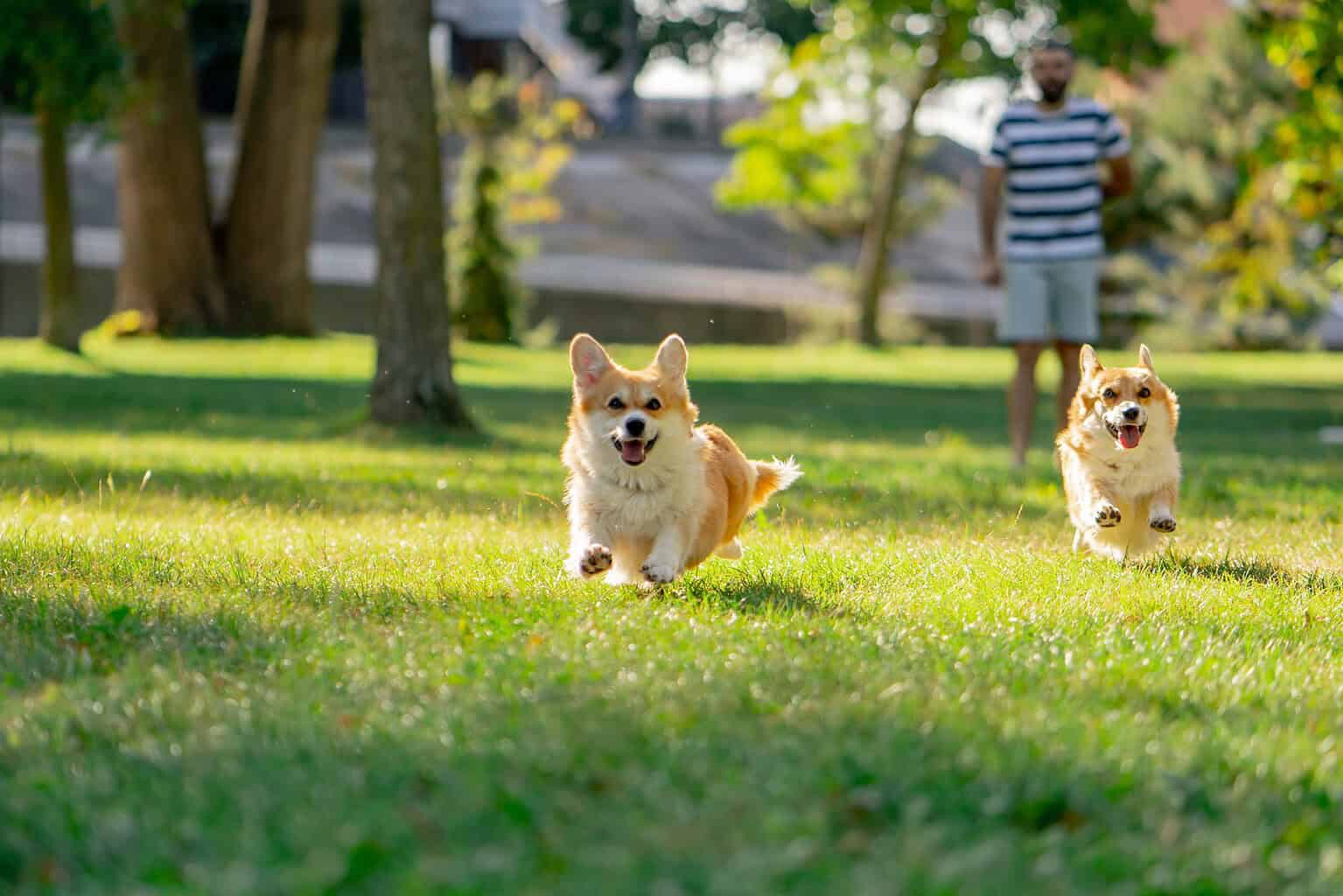
Dogs hump because mounting is a normal, built-in behavior that shows up in play, excitement, stress and attention-seeking far more often than in sex, which is why spayed females and neutered males do it too. The old “dominance” story is outdated; behaviorists now read humping as a sign of arousal or conflicting emotions. Neutering helps intact dogs but rarely erases the habit, and sudden or constant humping, especially with genital licking, deserves a vet visit to rule out infections or allergies.
Last updated: September 2025
Why does my dog hump?
The ASPCA puts it plainly: mounting, thrusting and masturbation are normal behaviors exhibited by most dogs, aimed at other animals, people and objects like wadded-up blankets, dog beds and toys. Both males and females do it, and so do dogs that were spayed or neutered years ago.
What the behavior means depends on the target. The behavior service at the UC Davis School of Veterinary Medicine draws a useful line: when a dog mounts a person, the driver is typically stress, anxiety or attention-seeking, and when a dog mounts another animal, it is usually arousal, anxiety or play. Intact dogs and females in heat add a hormonal layer on top.
Ethologist Marc Bekoff describes mounting as something that occurs in many emotional states, from excitement when the leash comes out to the conflicted feelings a new visitor stirs up. He calls that second case a displacement behavior, a byproduct of mixed emotions that needs somewhere to go.
Because mounting feels good and reliably gets a reaction, it is self-reinforcing. Your job is to read the context, rule out a medical cause, and gently steer the habit.
Is humping a sign of dominance?
For decades the standard advice was that a humping dog was trying to be the boss. Most behaviorists no longer see it that way. The UC Davis behavior page lists dominance as a cause but labels it rare, adding that mounting “is commonly attributed to dominance issues, but in reality this is very rarely the cause.”
The research backs that up. Behaviorist Becky Trisko, PhD, studied dog interactions in a daycare setting and found that mounting was not associated with status-related behaviors like aggression and submission. Instead it tracked with play and friendly behaviors such as muzzle-licking the same dog. If mounting signaled rank, the mounted dog should show submission afterward, and that is not what she saw.
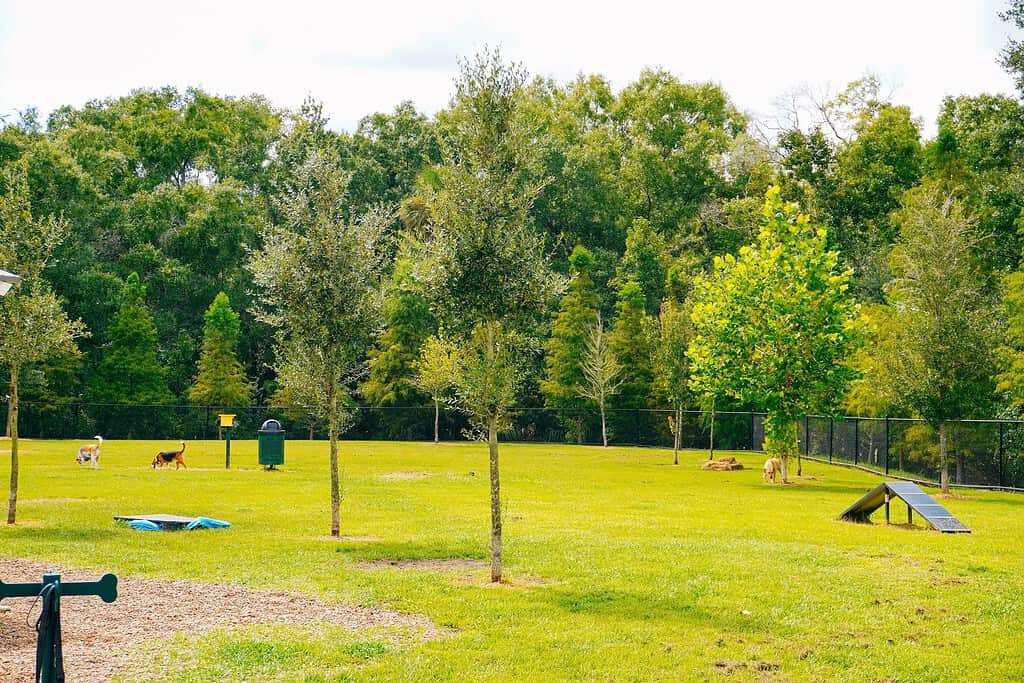
Carolyn Walsh, PhD, who studies dog parks at Memorial University of Newfoundland, found that the dogs doing the most mounting were also doing the most playing; in her view, a park builds up so much social motivation that the energy spills over into sexual-looking behavior out of context.
“Mounting could be part of a suite of behaviors associated with aggression, such as high posture, resource guarding, direct stares, and threats and standing over. But mounting, by itself, doesn’t indicate a status issue. By itself, mounting might not mean a lot.”
Peter Borchelt, PhD, Certified Applied Animal Behaviorist, Adopt-a-Pet 2023
Borchelt warns that labeling a dog dominant because it mounts can hurt the relationship. The ASPCA does note that dogs sometimes mount to display social status. The honest summary: mounting can occasionally be part of a bigger pushy picture with stiff posture and hard stares, but on its own it is not a power play, and it never is when the target is a pillow.
What is my dog telling me by humping?
Bekoff’s advice is to become an at-home ethologist: write down what happens right before and after the humping, and the pattern usually jumps out within a week. Here is a context guide built from the UC Davis, ASPCA and AKC behavior pages. The “what to do” column is our suggestion, not a prescription.
| What you see | Most likely driver | What to do (our suggestion) |
|---|---|---|
| Humps your leg or a guest when people arrive | Excitement, conflicting emotions, attention-seeking | Stand up and walk away; ask for a sit before greetings |
| Humps a pillow, bed or toy in the evening | Self-soothing, boredom, over-stimulation | Ignore if occasional; add a chew; remove the object if daily |
| Humps other dogs mid-play, then they swap and chase | Normal play, over-arousal | Call away before it starts; brief break; resume once calm |
| Intact male humps anything when a female in heat is nearby | Hormonal, sexual | Separate the dogs; discuss neutering timing with your vet |
| Humps plus licks the genitals, scoots or rubs on furniture | Possible UTI, skin allergy, irritation | Book a vet exam before any training |
| Humps for long stretches daily and is hard to interrupt | Compulsive behavior, chronic stress | Vet visit, then a veterinary behaviorist |
| Puppy humps littermates, your arm or a toy | Play, practice, developing social skills | Redirect to a toy; no punishment; pause play if it escalates |
Two clues separate sexual mounting from everything else. The ASPCA notes that sexually motivated mounting usually comes with courtship signals, such as a tail held up, ears rotated back, licking and pawing, and may involve an erection, while play mounting usually does not. The other clue is timing: if the humping started suddenly in an adult dog, think medical first. Itchy dogs often rub and mount as part of the same discomfort, which is why our guides to why dogs scratch so much and why dogs lick their paws overlap with this one.
Does neutering stop humping?
Sometimes, partly. Mounting is a sexually dimorphic behavior, one males show more than females, and a JAVMA review by Margaret Root Kustritz lists it as a primary example of the behaviors castration is most likely to change.
The classic numbers come from a 1997 UC Davis study by Jacqueline Neilson, Robert Eckstein and Benjamin Hart in the Journal of the American Veterinary Medical Association. They followed 57 male dogs neutered after age two and asked owners how much each problem behavior decreased. For mounting, at least 60 percent of dogs improved by half or more, but only 25 to 40 percent improved by 90 percent or more. Age at surgery and duration of the habit made no difference.
| Study | Dogs | What happened to mounting |
|---|---|---|
| Neilson, Eckstein & Hart, JAVMA 1997 | 57 males neutered after age 2 | At least 50% less in 60% or more of dogs; 90% or more less in 25 to 40% |
| Hart & Eckstein review, 1997 (Purdue summary) | Review of earlier castration studies | Decline in mounting other dogs in roughly 50 to 70% of males |
| Palestrini et al., Animals 2021 | 15 neutered vs 17 intact males, 9 months | Owners reporting mounting fell from 66.7% to 20% in neutered males; 58.8% to 35.3% in intact males (not significant) |
| Palestrini et al., Animals 2021 | 33 spayed females, 9 months | 37.4% to 21.2%, not statistically significant |
Why does a third or more of the behavior survive surgery? The Hart and Eckstein review, as summarized by Purdue University’s animal sciences department, argues it is probably not leftover testosterone but individual differences in tissue sensitivity to losing the hormone, plus learning. The ASPCA says it directly: many dogs continue to mount after they are fixed because it feels good. UC Davis adds that mounting may continue for several months after surgery, so do not judge the result in week two.
Why do puppies, females and fixed dogs hump?
Mounting shows up long before puberty. In a study of four litters of domestic dog puppies published in Animal Behaviour in 2008, Camille Ward, Erika Bauer and Barbara Smuts videotaped play from 3 to 40 weeks of age and coded mounting as one of the play behaviors in their ethogram, with pelvic thrusting that “may or may not be present.” Mounts first appeared in the 10 to 23 week window, making up about 5 percent of the asymmetric play behaviors in the litters analyzed, and by 27 to 40 weeks mounting had become the most common offense behavior in play, ahead of chasing. The same paper notes that social and sexual play like mounting emerges during the socialization period that runs from about 3 to 12 weeks.
Free-ranging dogs do it even earlier. Sunil Pal watched six litters of street dogs in West Bengal, India, and reported in Applied Animal Behaviour Science in 2008 that puppies of both sexes were observed to mount, clasp and give pelvic thrusts by six weeks of age, with play developing in stages: social play at 3 weeks, rough agonistic play at 5 weeks and pseudo-sexual play at 6 weeks.
The ASPCA notes that some experts think puppy mounting is practice for future sexual encounters, but it is also simply how puppies play. Both male and female puppies mount each other, and the behavior requires no hormones at all. That is the first reason fixed dogs hump: they learned the motor pattern as babies, long before anyone scheduled a surgery, and a behavior rehearsed hundreds of times does not vanish when the hormones do. If you are also working through nipping with a young dog, our guide to stopping puppy biting uses the same redirect-and-pause approach.
Females hump for every non-sexual reason males do, plus a few of their own. The ASPCA describes females in heat mounting their male suitors during courtship, and female dogs commonly mounting other females when one or both are in heat. UC Davis adds that rare hormonal causes in spayed females include retained ovarian tissue and certain tumors. Outside of heat, a female that humps a pillow after a chaotic greeting is doing exactly what a male would do: discharging arousal through a familiar movement. PDSA notes that spaying tends to have less effect on humping than neutering does on males, which fits, because so much female mounting was never hormonal to begin with.
Neutered males carry one more wrinkle. The ASPCA points out that neutered males can still display erections and even ejaculate, so an erection during humping does not mean the surgery failed. Add the learned-habit effect, the months it takes for behavior to settle, and the fact that excitement, stress and attention-seeking are untouched by neutering, and it becomes clear why a fixed dog can be a lifelong humper.
None of this means you have to live with it. It does mean the target of your training should be the feeling underneath, not the anatomy. A spayed female who humps her bed when the kids come home needs a calmer homecoming routine and a chew to carry to her mat. A neutered male who humps every new dog at the park needs shorter, structured play and a reliable recall.
When is humping a vet visit?
Most humping is behavioral, but several medical problems can cause or worsen it, and they are easy to miss because the behavior looks the same from the outside. The ASPCA lists urinary tract infections, urinary incontinence, priapism (a persistent, often painful erection) and skin allergies as conditions that can influence mounting, and warns that these can be serious if not treated. UC Davis adds fleas and anything else that causes itching; the AKC mentions prostate problems in male dogs.
The tell is what comes with the humping. The ASPCA notes that dogs with these medical issues often spend a lot of time licking and chewing the genital area or rubbing against things. If your dog is humping and also licking, scooting, straining to urinate, having accidents or scratching more than usual, call your vet before you call a trainer.
Humping can also cause its own injuries. UC Davis lists paraphimosis, where the penis cannot retract into the sheath, along with abrasions and bites from a dog that objects to being mounted. A male dog whose penis stays out or looks swollen after humping needs same-day veterinary attention.
Finally, there is the compulsive end of the spectrum. The ASPCA explains that masturbation can become a compulsive habit, especially in response to stress, and UC Davis notes that medication is sometimes used to lower the underlying anxiety. PDSA’s rule is simple: contact your vet if the mounting is excessive or your dog becomes aggressive when you try to stop them.
A dog that humps at the park is an excited dog, and excited dogs slip leashes
A Shiloh’s House Smart Tag is a personalized NFC tag in premium acrylic, laser engraved on the front with a “Tap Phone Here” back. A finder taps it with any phone, no app needed, and sees your call and text buttons, directions and medical notes. $38 one-time, no subscription, no battery, made in the USA, 30-day returns.
How do I stop my dog from humping without punishment?
First decide whether it needs stopping. The ASPCA says that if your dog mounts infrequently, once or twice a day at most, and it bothers no one, you do not have to intervene.
When you do want to change it, the method every source agrees on is interrupt, redirect, reward. The ASPCA suggests catching the pre-mounting signals, the sidling up, panting, licking or pawing, and at that moment tossing a toy, offering a chew or asking for a cue the dog knows, like sit. UC Davis says to make sure your dog has a solid sit, leave it, down and off, and to reward the cue the dog performed, never the mounting itself.
If your dog is humping you or a guest, the ASPCA recommends standing up, turning away or changing position so the dog cannot mount, and if that fails, a calm “Nope” followed by a one- to three-minute time-out in a quiet, toy-free room. Time-outs alone will not work, the ASPCA stresses; you also have to teach an incompatible behavior, like sitting on cue, and reward it in the situations that usually trigger mounting.
What not to do is just as clear. UC Davis lists kicking, kneeing, punching, slapping and other direct punishment as things that cause more problems, and PDSA says never to punish a dog for a normal behavior. Pushing and wrestling the dog off can even reinforce it, because to an attention-seeking dog, hands on its body is attention. The same calm approach works for stopping excessive barking.
Then look upstream. UC Davis notes that regular exercise helps when over-excitement is the cause, and treating anxiety reduces stress mounting. A dog that humps the moment you sit down may be the same dog that follows you from room to room or stares at you for a reaction; sniff walks and chew time give that dog better outlets. And brief your guests ahead of time: stand up and walk away silently, because one visitor who giggles and pushes the dog off can undo a week of practice.
What should I do when my dog humps other dogs at the park?
Dog-to-dog humping is the version most likely to end badly, because of how the other dog feels about it. The AKC notes that brief, back-and-forth mounting during play is normal, but some dogs do not like to be mounted, and the ASPCA warns that many dogs take offense and may start a fight.
Intervene early and quietly. Watch for the escalation that precedes mounting, when play speeds up and your dog starts standing taller and crowding. The ASPCA suggests teaching a solid “leave it” away from other dogs first, then using it the moment your dog lines up behind a playmate, and rewarding compliance. If the cue fails, end the session and practice without other dogs for a while.
Step in without drama: leash up, walk a few yards away, wait for the panting to slow, then release back to play if the other owner is comfortable. If your dog targets the same dog three times, that pairing is done for the day. If your dog growls or snaps when interrupted, the ASPCA and PDSA both say to bring in a certified behaviorist.
An over-aroused dog at a park is exactly the dog that bolts through an open gate when a scuffle breaks out. Make sure the ID on its collar or harness is current before you go; a Shiloh’s House NFC tag lets whoever catches your dog tap a phone to it and reach you in seconds, with the engraved name and number as backup. It has no GPS, so it will not track a dog, but it closes the gap once someone finds one.
Keep the rest of your dog’s profile current in Lohji, the free Shiloh’s House app for pet parents. It is the finder’s view of a tapped tag and a live profile you keep current with contacts, medical notes and voice messages, and it also makes cartoon “Lohji” avatars, stickers and slideshows of your dog for fun. Get it on the App Store or Google Play.
Frequently asked questions
Why does my female dog hump?
Female dogs hump for the same non-sexual reasons males do: excitement, play, stress and attention. The ASPCA also notes that females in heat mount their male suitors and commonly mount other females in heat. A spayed female humping a pillow after a chaotic greeting is releasing arousal, not hormones, which is why spaying changes female humping less than neutering changes male humping.
Why does my neutered dog still hump?
Because most humping was never hormonal. In the 1997 UC Davis study, mounting improved by half or more in at least 60 percent of neutered males, but only 25 to 40 percent improved by 90 percent or more. Dogs learn the behavior as puppies, it feels good, and excitement and stress are untouched by surgery, so the habit often outlives the hormones.
Why does my dog hump pillows, toys or his bed?
Object humping is usually self-soothing or a release of over-stimulation, often at predictable times like the evening wind-down. The ASPCA says occasional mounting that bothers no one does not need to be stopped. If it is daily or hard to interrupt, remove the object, add a chew at that time of day, and mention it to your vet.
Is my dog humping me to show dominance?
Almost certainly not. UC Davis calls dominance a very rare cause, and behaviorist Peter Borchelt says mounting by itself does not indicate a status issue. When a dog mounts a person, the usual drivers are stress, excitement or attention-seeking, and pushing the dog off often rewards it. Stand up, walk away, and teach a sit instead.
Should I let my dog hump other dogs at the park?
Brief, mutual mounting during play is normal, but many dogs dislike being mounted and some will start a fight over it, so call your dog away before it happens. Teach a reliable recall or “leave it” at home, use it the moment your dog lines up behind a playmate, and take a short break if it fails. If your dog snaps when interrupted, get a certified behaviorist.
When is dog humping a medical problem?
See your vet if humping starts suddenly in an adult dog, becomes constant, or comes with licking or chewing the genital area, scooting, straining to urinate, accidents or heavy scratching. The ASPCA lists urinary tract infections, incontinence, priapism and skin allergies as medical causes. A penis that will not retract after humping needs same-day care.
Sources
- Jacqueline C. Neilson, Robert A. Eckstein and Benjamin L. Hart, “Effects of castration on problem behaviors in male dogs with reference to age and duration of behavior”, Journal of the American Veterinary Medical Association, 1997 — https://avmajournals.avma.org/view/journals/javma/211/2/javma.1997.211.02.180.xml
- Benjamin L. Hart and Robert A. Eckstein, “The role of gonadal hormones in the occurrence of objectionable behaviours in dogs and cats”, Applied Animal Behaviour Science, 1997 — https://www.sciencedirect.com/science/article/pii/S0168159196011331
- J. Belen and C. M. Brady, “Benefits of Castration in Male Dogs (AS-562-W)”, Purdue University Cooperative Extension Service, accessed 2025 — https://www.extension.purdue.edu/extmedia/as/as-562-w.pdf
- Clara Palestrini, Silvia Michela Mazzola, Bianca Caione, Debora Groppetti, Alessandro M. Pecile, Michela Minero and Simona Cannas, “Influence of Gonadectomy on Canine Behavior”, Animals, 2021 — https://pmc.ncbi.nlm.nih.gov/articles/PMC7923786/
- Margaret V. Root Kustritz, “Determining the optimal age for gonadectomy of dogs and cats”, Journal of the American Veterinary Medical Association, 2007 — https://avmajournals.avma.org/view/journals/javma/231/11/javma.231.11.1665.xml
- Camille Ward, Erika B. Bauer and Barbara B. Smuts, “Partner preferences and asymmetries in social play among domestic dog, Canis lupus familiaris, littermates”, Animal Behaviour, 2008 — https://repository.si.edu/server/api/core/bitstreams/100a28fb-0416-4d88-9e45-e69f980ffc47/content
- Sunil Pal, “Maturation and development of social behaviour during early ontogeny in free-ranging dog puppies in West Bengal, India”, Applied Animal Behaviour Science, 2008 — https://www.academia.edu/50966816/Maturation_and_development_of_social_behaviour_during_early_ontogeny_in_free_ranging_dog_puppies_in_West_Bengal_India
- John Gardiner, “Inappropriate Mounting”, UC Davis School of Veterinary Medicine Animal Health Topics, 2019 — https://healthtopics.vetmed.ucdavis.edu/health-topics/canine/inappropriate-mounting
- ASPCA, “Mounting and Masturbation”, ASPCA Common Dog Behavior Issues, accessed 2025 — https://www.aspca.org/pet-care/dog-care/common-dog-behavior-issues/mounting-and-masturbation
- Mary Robins, with Mary Burch, PhD, CAAB, “Why Does My Dog Hump? Understanding Dog Humping or Mounting”, American Kennel Club, 2019 — https://www.akc.org/expert-advice/training/why-is-my-dog-humping-or-mounting/
- PDSA, “Humping Behaviour in Dogs”, PDSA Pet Health Hub, 2022 — https://www.pdsa.org.uk/pet-help-and-advice/pet-health-hub/symptoms/humping-behaviour-in-dogs
- Marc Bekoff, PhD, “Why Dogs Hump”, Psychology Today, 2012 — https://www.psychologytoday.com/us/blog/animal-emotions/201209/why-dogs-hump
- Julie Hecht, MSc, “Humping: Why Do Dogs Do It?”, Adopt-a-Pet, 2023 — https://www.adoptapet.com/blog/behavior-training/humping-why-do-dogs-do-it