Do Cats Get Cold? How Cold Is Too Cold and How to Keep Your Cat Warm in Winter
 Shiloh’s House Team
·
·
15 min read
Shiloh’s House Team
·
·
15 min read
Yes, cats get cold. Most healthy adult cats start to feel uncomfortable once the air drops below about 45°F, kittens, seniors, thin cats and hairless breeds feel it sooner, and anything below freezing (32°F) puts every cat at risk of hypothermia and frostbite. Cats hide discomfort well, so watch for a tight curled-up ball, tucked paws, cold ears and a sudden love of radiators, and keep indoor-outdoor cats home once the thermometer heads toward the 40s.
Do cats get cold?
It is tempting to think a fur coat makes a cat weatherproof. The American Veterinary Medical Association (AVMA) says plainly that this is a myth: cats and dogs are susceptible to frostbite and hypothermia just like people, and generally should be kept inside in cold weather. Cats are small animals with a lot of surface area for their body mass, and Hill’s veterinarian Dr. Laci Schaible notes that cats evolved to cope with heat far better than with cold.
A cat’s normal body temperature runs hotter than ours, around 100.4°F to 102.5°F according to PetMD, which is one reason cats are forever chasing sunbeams, laps and the top of the radiator cover. Their bodies do adapt a little as the seasons change. The RSPCA explains that a cat’s coat tends to thicken over winter and that cats can puff up their fur to trap warm air against the skin, but adds that they will still look for cosy places to rest.
So the honest answer to “do cats get cold?” is yes, and some cats get cold much faster than others. The rest of this guide covers the temperatures that matter, the cats that are most vulnerable, the subtle signs that your cat is chilly, and how to keep both indoor cats and outdoor cats warm through a January cold snap.
How cold is too cold for cats?
There is no single magic number, because tolerance depends on age, health, body condition and coat. But veterinary sources cluster around the same range. PetMD’s Dr. Sandra Mitchell writes that most cats will begin feeling uncomfortable once temperatures get below 45°F, that some vulnerable cats are unhappy below 60°F, and that freezing temperatures below 32°F are dangerous for all cats. Hill’s puts the line a little higher, saying most healthy adult cats can handle a drop to about 50°F and that time outside becomes risky below that. The RSPCA, working in Celsius, advises an environment between 10°C and 25°C (50°F to 77°F) and warns of hypothermia, frostbite or respiratory problems if a cat is exposed to temperatures below 10°C for too long.
Put together, the guidance looks like this:
| Air temperature | What it means for cats |
|---|---|
| Above 60°F | Comfortable for nearly all cats. Cats still prefer warmer than this; Hill’s notes some sources put a cat’s ideal range as high as 86°F at the low end. |
| 50–60°F | Fine for healthy adults. Cats with significant weight loss or arthritis may be noticeably uncomfortable (PetMD). |
| 45–50°F | Small, thin-coated, hairless, very young and older cats feel it here (PetMD). Hill’s draws the “risky outside” line at 50°F. |
| 32–45°F | Most healthy adult cats will be uncomfortable over a prolonged period (PetMD). Keep indoor-outdoor cats inside. |
| Below 32°F | All cats are at risk of frostbite and hypothermia with prolonged exposure (PetMD, AVMA). Wind and wet make it worse. |
Wind, rain and snow move every line on that table upward. PetMD lists freezing temperatures “especially wet and windy conditions” as the main environmental cause of hypothermia, and Cats.com’s Dr. Emma Chandley points out that fur only insulates while it is dry; rain, snow or sleet soak the coat and stop it trapping heat. The ASPCA’s rule of thumb is the simplest of all: if it’s too cold for you, it’s probably too cold for your pet.
If you have an indoor-outdoor cat, be wary of temperatures lower than 45°F. It’s best to keep them inside during very cold weather.
Dr. Rebecca Greenstein, veterinarian, Rover Pet People Panel
If you also share your home with a dog, the numbers are different for them; we broke those down in how cold is too cold for dogs.
Which cats feel the cold most?
The same groups come up in every veterinary source. PetMD lists senior cats and young kittens, sick cats, skinny cats, short-haired or hairless breeds, and breeds from warm climates such as the Egyptian Mau as the cats that get cold quickest. The AVMA adds that pets with diabetes, heart disease, kidney disease or hormonal imbalances may have a harder time regulating body temperature, and that the same goes for the very young and very old. Hill’s flags endocrine disease, heart disease and any chronic illness, and says kittens, seniors and chronically ill cats may be vulnerable even at 50°F.
Coat matters, but less than people assume. Thick-coated breeds such as the Maine Coon and Norwegian Forest Cat keep themselves warm longer, PetMD and Hill’s agree, and outdoor community cats grow denser winter coats. Yet Hill’s is clear that freezing temperatures combined with wind are not safe for any cat, “winter cat breed or seasoned outdoor veteran.” At the other extreme, hairless cats such as the Sphynx and Lykoi, and any cat whose coat has been clipped, should not be out in cold weather at all.
Arthritis is the quiet one. The AVMA notes that cold weather may worsen some medical conditions such as arthritis, and Hill’s lists the signs to watch in winter: stiffness on waking, reluctance to jump to favourite spots, hesitating at the bottom of the stairs. An older cat who suddenly stops using the windowsill in January may be sore rather than simply cold, and that is worth a vet visit.
Signs your cat is cold
Cats are quiet about discomfort. PetMD notes that, unlike dogs, cats often mask discomfort and don’t visibly shiver or vocalise until they are quite cold. That means the early signs are behavioural, and they look a lot like ordinary cat behaviour, just more of it.
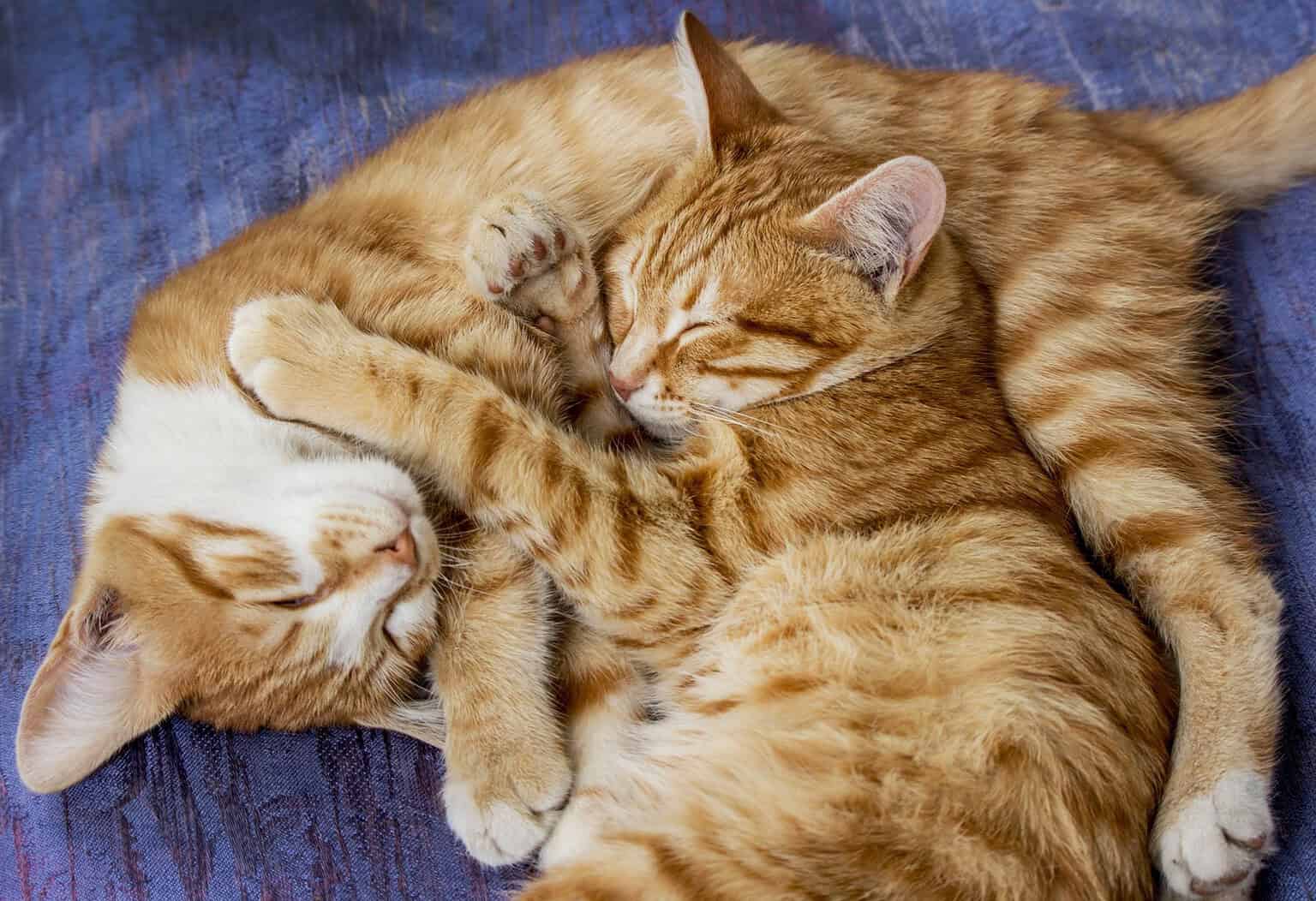
A cold cat seeks out the warmest available spot and hunkers down. Dr. Greenstein lists snoozing directly on heat sources such as radiators, curling into a tight ball with paws and tail tucked beneath the body, and a sudden insistence on your lap; in a multi-cat home, cats may huddle or sleep together for warmth. PetMD describes the progression outdoors: as a cat gets colder it curls into a tighter ball and may cover its nose with its tail, then eventually starts to shiver. Cats.com adds restlessness, sleeping more to conserve energy, appetite changes, and ears and paws that feel cold to the touch. The RSPCA notes that cats sleep more in winter generally, so look for the cluster of signs rather than any one of them.
Indoors, PetMD suggests your house is too cold for your cat if they are constantly seeking warmth, burrowing under blankets or parking themselves on heat vents, and says indoor temperatures below about 45°F to 50°F can be uncomfortable for many cats, especially kittens, seniors, thin cats and hairless breeds. If your cat has recently taken to sleeping on top of you every night, that is one reason; we cover the others in why does my cat sleep on me.
Hypothermia and frostbite: the emergency signs
Hypothermia means a body temperature below the normal range, under about 100°F for a cat according to PetMD’s Dr. Rhiannon Koehler. In mild hypothermia a cat’s heart rate, breathing and blood pressure first rise; as it progresses, all three fall, and the lack of blood flow can lead to heart arrhythmias and, in severe cases, death. Koehler notes that shivering means the body is still actively fighting the cold; a cat who is cold to the touch and excessively tired, or not responsive, is an emergency.
The RSPCA’s list of hypothermia signs includes shivering (which stops suddenly when body temperature reaches dangerously low levels), low energy, loss of coordination or confusion, pale gums, cold ears, nose and paws, weakness, slow heart and breathing rates, and collapse. Hill’s adds dilated pupils and difficulty breathing. Frostbite, says Dr. Sharpe, is rare in cats but shows up on the paw pads and ear tips after extreme cold or poor circulation; PetMD advises that any cat with cold-exposure hypothermia should also be checked for frostbite.
Do not try to fix severe cold with direct heat. The RSPCA says not to warm a hypothermic cat too quickly or place anything hot directly on them, and Dr. Sharpe advises against putting a hypothermic cat directly on a heating element because rewarming needs to be gradual. Vets rewarm cats with thermal blankets, warmed fluids and monitoring; your job is the blanket and the car keys.
How to keep your cat warm indoors
Most of this is easy, because a cat will find warmth if you give them the option. The AVMA’s advice is to provide choices: pets prefer comfortable sleeping places and will change location based on their need for more or less warmth, so give them a few safe options. In practice that means a bed or two away from drafts and off the floor, which the ASPCA specifically recommends, plus a loosely draped blanket your cat can tunnel under, which Hill’s suggests. Our round-up of the best cat beds has covered and donut styles that hold body heat well.
Mind the thermostat. Hill’s notes that while most healthy adult cats can tolerate 50°F, that doesn’t mean they are comfortable, and suggests a bump to at least 60°F. Great Pet Care cites the AVMA’s suggestion of keeping rooms above 50°F and below 80°F for both dogs and cats. If you turn the heating down overnight or while you are at work, make sure the cat’s favourite bed is in the room that stays warmest, and keep the litter box indoors; the RSPCA points out that nobody likes a cold toilet seat, and recommends one tray per cat plus one extra.
Heated beds are a real help for older, thin or arthritic cats, with two cautions. Hill’s recommends avoiding ordinary electric heating pads, which can burn delicate skin, in favour of temperature-controlled heated cat beds, some of which only switch on under the cat’s weight. PetMD adds that some heated beds have cords that are chewing hazards and others present burn risks if used unmonitored, so follow the product’s safety instructions. We compared the safest options in the best heated pet beds.
Feed a little more, and don’t skip grooming. Cornell’s Feline Health Center notes that cats burn more calories to stay warm in winter and that feeding them a bit more helps them avoid losing weight, which lines up with the PLOS ONE finding above that cats naturally eat more in the cold months. If your cat is indoors and already round, talk to your vet before adding food; our guide to how much to feed a cat explains how to check body condition. The RSPCA also recommends brushing at least weekly, daily for long-haired cats, so the winter coat can come in properly. Dry winter air can leave skin flaky; the ASPCA suggests a humidifier and towel-drying any cat who comes in from the wet.
Finally, keep them busy. Cats sleep more and move less in winter, and the RSPCA suggests indoor enrichment such as interactive toys, puzzle feeders and vertical spaces like cat trees to keep them active. A sunny window perch doubles as a warm spot and a TV; see the best cat window perches.
Indoor-outdoor cats and community cats in winter
Every source we read gives the same first instruction: the safest place for a cat in cold weather is indoors. Cornell says the best way to avoid hypothermia and frostbite is to keep cats indoors at all times, and PetMD says even indoor-outdoor pets should be kept inside once temperatures hover below 45°F, adding: even if your cat is asking to go outside, say no. The RSPCA suggests keeping cats in overnight once it drops below about 7°C to 8°C (45°F to 46°F). If your cat is used to roaming, a January cold snap is a good moment to try an indoor routine; start with a closed door at dusk and a warm bed inside it.
For cats that cannot come inside, including strays, ferals and barn cats, shelter is what matters. Cornell recommends purpose-built shelters or indoor spaces with adequate bedding, and is specific about the bedding: straw is a good choice; avoid newspaper, cloth and hay, which hold moisture. Raise the shelter off the ground if possible so body heat isn’t lost into the cold earth, keep water from freezing with a solar-heated or thick plastic bowl rather than a shallow ceramic one, and feed a bit more than in warm months. Alley Cat Allies publishes a gallery of options from insulated storage-tub shelters to heated kitty houses if you want to build or buy one.
Two more winter hazards are specific to cats. First, warm engines. Cornell, the AVMA, Hill’s and the RSPCA all recommend banging on the hood, honking the horn or checking the wheel wells before starting a car in winter, because outdoor cats climb into engine bays and wheel arches for warmth. Second, antifreeze. Cornell notes that ethylene glycol antifreeze is extremely toxic to cats and that its taste attracts them, so keep it sealed and clean up spills immediately; the RSPCA adds rock salt to the list, which can cause vomiting, lethargy and in severe cases kidney damage if a cat licks it off their paws. Wipe paws and belly after any trip outside, and if you think a cat has swallowed antifreeze, call your vet or the ASPCA Animal Poison Control Center at (888) 426-4435 right away. The same de-icing chemicals affect dogs; see which ice melts are safe for pets.
Winter and lost cats: why ID matters more in the cold
There is a lost-pet angle to cold weather that gets overlooked. The AVMA notes that many pets become lost in winter because snow and ice hide the familiar scents that would normally help a pet find its way home, and recommends a well-fitting collar with up-to-date identification plus a microchip whose registry details are current. The ASPCA says more dogs are lost in winter than in any other season; cats who slip out into a snowstorm face the same problem, plus the cold itself, and PetMD’s advice to bring a cat indoors at the first drop in temperature only works if the cat can be found.
A cold, frightened cat hides rather than roams, often under a porch, in a shed or inside a car engine, exactly the places the RSPCA asks people to check in winter. A collar tag turns a Good Samaritan’s find into a phone call instead of a shelter trip, and it works in the dark and the snow where a microchip scanner is not to hand. Our step-by-step guide to finding a lost cat explains where to look first, and do indoor cats need ID tags makes the case for tagging even a cat who never goes out on purpose.
Not tagged yet?
A Shiloh’s House smart tag lets anyone who finds your cat tap it with any phone, no app needed, and see your contact info plus the notes you keep in the free Lohji app, like “indoor cat, scared of the cold, please bring inside.” No battery, no subscription, light enough for a breakaway cat collar.
Frequently asked questions
What temperature is too cold for cats?
Most veterinary sources put the discomfort line at about 45°F for healthy adult cats, with kittens, seniors, thin, sick and hairless cats affected at 50°F to 60°F. Below 32°F, all cats are at risk of hypothermia and frostbite with prolonged exposure, and wind or wet lowers tolerance further.
Do indoor cats get cold in the house?
They can. PetMD says indoor temperatures below about 45°F to 50°F are uncomfortable for many cats, and Hill’s suggests keeping the thermostat at 60°F or above for comfort. A cat who is constantly seeking heat vents, burrowing under blankets or curled in a tight ball is telling you the room is too cold for them.
Can cats get sick from being cold?
Yes. Cold exposure can cause hypothermia and frostbite, and the RSPCA notes respiratory problems and dry skin as well. A viral “cat cold” (sneezing, runny eyes) is a separate infection caught from other cats, not from low temperatures, though a chilled, stressed cat may cope with it less well.
How do I know if my cat has hypothermia?
Early on, shivering, lethargy, cold ears and paws and a tight curled posture. As it worsens, the shivering stops, gums go pale, the cat becomes weak, confused or unresponsive, and breathing and heart rate slow. That is an emergency: wrap your cat in a dry blanket, warm the room gradually, and go to the vet immediately.
Should my cat wear a sweater in winter?
Some cats tolerate one, and PetMD says older, thin or hairless cats who feel cold even at normal room temperature can benefit. Most cats would rather have a warm, covered bed; never leave a sweater on an unsupervised cat, and never put a wet one on, since the AVMA notes wet garments make an animal colder.
How can I help stray cats in winter?
Offer an insulated, raised shelter bedded with straw (not blankets or hay), fresh unfrozen water in a thick plastic or heated bowl, and a little extra food. Check under your car hood and bang on it before starting the engine, and keep antifreeze and rock salt out of reach.
Sources
- Cornell Feline Health Center: Cold Weather Tips for Cats
- American Veterinary Medical Association: Cold weather animal safety
- ASPCA: Cold Weather Safety Tips
- PetMD (Sandra C. Mitchell, DVM, DABVP): How Cold Is Too Cold for Cats?
- PetMD (Rhiannon Koehler, DVM): Hypothermia in Cats
- Hill’s Pet (Dr. Laci Schaible): How Cold Is Too Cold for Cats?
- RSPCA: How to help cats in cold weather
- Great Pet Care (Dr. Kristopher Sharpe, BluePearl): How to Keep Cats Warm in Winter
- Rover (Dr. Rebecca Greenstein, Dr. Paige Adams): Is My Cat Cold? How to Keep a Cat Warm in Winter
- Veterinary Partner (VIN): Hypothermia: First Aid
- Cats.com (Dr. Emma Chandley, BVetMed MRCVS): Can Cats Actually Survive in the Cold?
- Serisier S. et al., “Seasonal Variation in the Voluntary Food Intake of Domesticated Cats,” PLOS ONE, 2014
- Alley Cat Allies: Community Cat Shelter Options Gallery