Can Cats Eat Bananas? Peels, Banana Bread and How Much Is Safe
 Shiloh’s House Team
·
·
14 min read
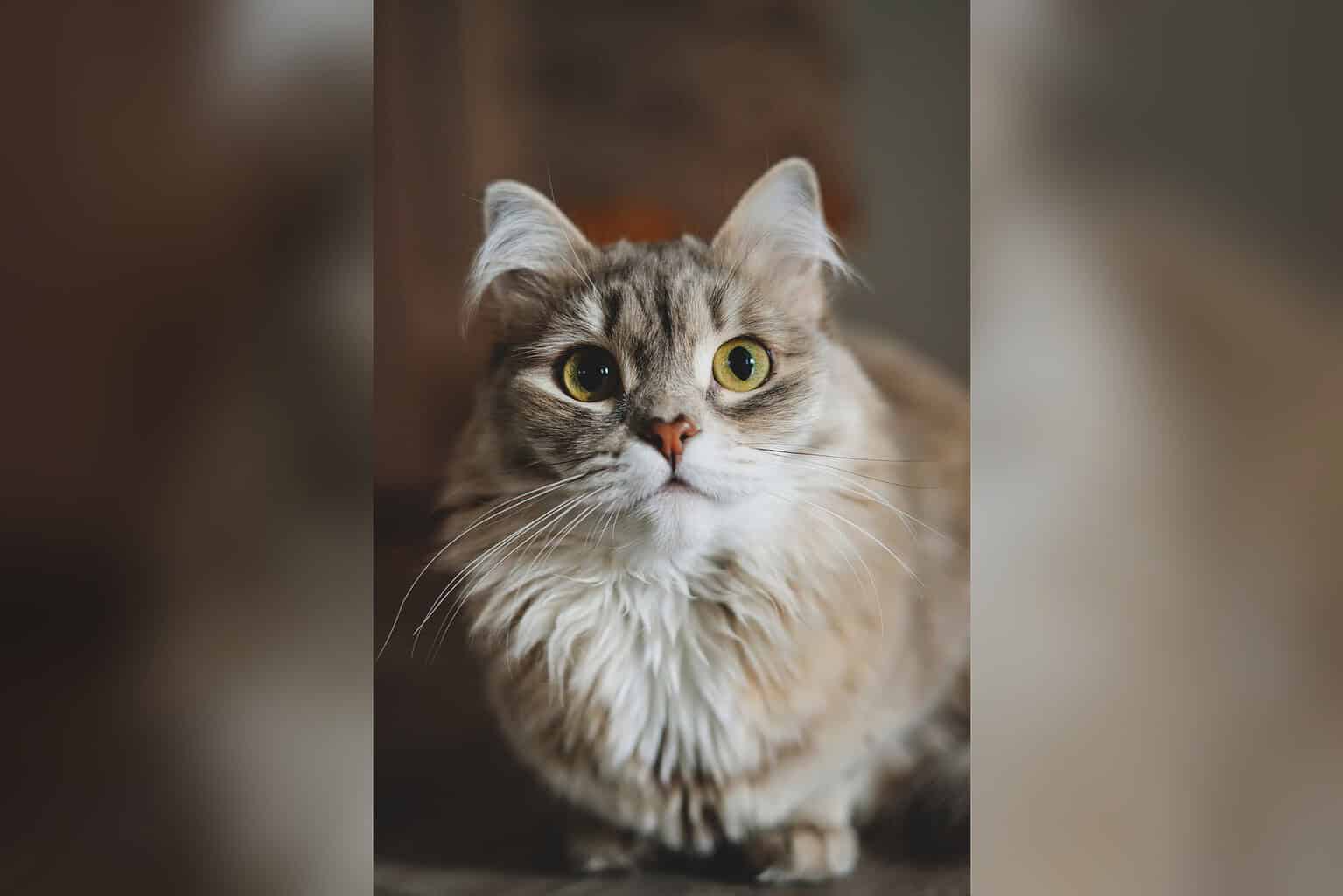
Yes, cats can eat a little plain, ripe banana, but it should be a rare, tiny treat. The ASPCA lists the banana plant as non-toxic to cats. Still, cats are obligate carnivores who cannot taste sweetness, and a medium banana has about 105 calories, roughly five times the 20-calorie daily treat budget of a 10-pound cat. Never feed the peel, skip banana bread, chips and pudding, and ask your vet first if your cat is diabetic or overweight.
Last updated: October 2025
Can cats eat bananas safely?
Yes, in small amounts. The ASPCA Animal Poison Control Center lists the banana (Musa acuminata, also called plantain) as non-toxic to dogs, cats and horses. Hill’s Pet Nutrition and the veterinarians at Tufts University’s Cummings School agree that a little ripe banana flesh will not poison a healthy cat.
Non-toxic is not the same as good for your cat, though. Cats are built to run on animal protein and fat, and a complete and balanced cat food already gives them everything they need. Banana adds sugar, starch and calories, and it adds nothing a cat is missing. So the real answer is “yes, but only a taste.”
That “yes” depends on three conditions:
- Only the flesh. The peel is tough, hard to chew and hard to digest, and it can become a choking or blockage risk.
- Only plain banana. Banana bread, banana chips, banana pudding and banana-flavored desserts bring fat, extra sugar, dairy and sometimes ingredients that are dangerous to pets.
- Only a little. For most cats, a piece about the size of a fingertip is plenty. More than that crowds out real food and can upset the stomach.
Many cats will sniff a banana and walk away, and that is fine. If your cat ignores it, you have lost nothing. Your cat does not need fruit to be healthy.
Why don’t most cats care about sweet fruit?
Cats are missing the taste receptor that lets most mammals detect sugar. In 2005, a team at the Monell Chemical Senses Center and their colleagues published a study in PLoS Genetics showing that the cat version of a gene called Tas1r2 is broken. The mammalian sweet receptor is made of two proteins, T1R2 and T1R3. In cats, Tas1r3 works normally, but Tas1r2 has a 247-base-pair deletion and early stop codons, and the researchers found no sign that cats make the T1R2 protein at all.
Without both halves, a working sweet receptor cannot form. The authors concluded that cats lack the receptor likely needed to detect sweet tastes, and they found the same broken gene in tigers and cheetahs. They also noted that, other than this “sweet blindness,” the cat’s sense of taste is normal. The change was probably an important step in the evolution of the cat as a meat eater.
What does that mean for bananas?
- Sweetness is not a reward for your cat. The sugar that makes a banana taste good to you is invisible to your cat’s tongue. Your cat still digests and absorbs those sugars, so the calories count even though the taste does not register.
- Interest usually comes from something else. Texture, temperature, curiosity or the simple fact that you are eating it may be what draws a cat in.
- There is no nutritional gap to fill. Bananas do contain potassium, vitamin B6 and fiber, but a complete and balanced cat food already provides the nutrients a cat needs in the right amounts.
Cats are obligate carnivores. They rely on nutrients found in animal tissue, and their diet is designed around protein and fat rather than fruit sugars. That is why many vets suggest a tiny piece of plain cooked meat as a better treat. Our guides to whether cats can eat chicken and whether cats can eat tuna cover how to do that safely.
How much banana can a cat eat?
Very little. Veterinary nutritionists at Tufts recommend that treats and table food make up less than 10% of a pet’s daily calories, with the other 90% coming from complete and balanced food. Tufts puts it plainly: a 10-pound cat typically needs just over 200 calories a day, so it should get no more than about 20 calories from treats. Raw banana has about 89 calories per 100 grams, so the math gets tight fast.
The table below is our own calculation. We estimated daily calories with the resting energy formula the American Association of Feline Practitioners publishes for cats (70 × body weight in kg to the 0.75 power), which lines up with Tufts’ “just over 200” for a 10-pound cat. Active or intact cats may need more and many indoor cats need less, so ask your vet for your cat’s number. The last column is our suggestion, not a veterinary standard.
| Cat weight | Estimated calories per day | 10% treat budget | Banana that uses the whole budget | Our suggested max banana per day |
|---|---|---|---|---|
| 5 lb | about 130 kcal | about 13 kcal | about 15 g | 5 g (one thin coin) |
| 8 lb | about 185 kcal | about 18 kcal | about 21 g | 7 g |
| 10 lb | about 220 kcal | about 22 kcal | about 24 g | 8 g (two thin coins) |
| 12 lb | about 250 kcal | about 25 kcal | about 28 g | 9 g |
| 15 lb | about 295 kcal | about 29 kcal | about 33 g | 10 g |
Why is our suggestion only about a third of the full budget? Because most cats already get other treats, and because banana is mostly sugar and starch. Tufts lists 1/8 of a medium banana (20 grams) as a 15-calorie treat, which is most of a small cat’s daily allowance in one bite. A thin slice, a few times a week at most, is a sensible ceiling for a healthy adult. Our cat feeding chart by weight can help you check your cat’s total.
“Dogs and cats are usually thrilled to get a special treat – whether it’s a bowlful or a teaspoonful. So, think small.”
Lisa M. Freeman, DVM, PhD, DACVIM (Nutrition), veterinary nutritionist at the Cummings School of Veterinary Medicine (Tufts Petfoodology, 2023)
Can cats eat banana bread, banana chips or banana pudding?

These are the banana foods most likely to cause real trouble, because the banana is the least risky ingredient in them. When a cat steals a bite of something banana-flavored, look at the full recipe or label before you worry about the fruit itself.
Banana bread and muffins
Plain banana bread is mostly flour, sugar, butter or oil and eggs. A small crumb is unlikely to hurt a healthy cat, but a slice is far too much fat and sugar for a body that needs about 200 calories a day. The bigger concern is what else goes into the batter.
- Chocolate chips. The ASPCA explains that chocolate contains methylxanthines, which can cause vomiting, diarrhea, a racing heart, tremors and seizures. Dark and baking chocolate carry the most risk. Pet Poison Helpline lists chocolate among the toxins it hears about from cat owners.
- Raisins. Raisins and grapes are best known for causing kidney injury in dogs. Pet Poison Helpline says there are only a few anecdotal cases in cats, but because no safe dose is known, it typically recommends treating a cat that ate raisins much like a dog. Call your vet if your cat ate any.
- Macadamia nuts, walnuts and pecans. The ASPCA documents macadamia poisoning in dogs. Other nuts are high in oils and fats that can cause vomiting, diarrhea and possibly pancreatitis in pets.
- Xylitol. Sugar-free or “low sugar” recipes sometimes use xylitol, which is dangerous to dogs. Cats appear far less sensitive. A 2018 study gave xylitol to six healthy cats and found no toxic effects, and Pet Poison Helpline says there is no published data showing cats are sensitive to it. That is reassuring, not permission. Sugar-free baked goods are still a poor snack, and many households also have dogs.
Banana chips and dried banana
Banana chips are usually fried, often in coconut oil, and sometimes sweetened. USDA FoodData Central lists banana chips at about 519 calories per 100 grams, more than five times the calories of fresh banana, with roughly a third of their weight as fat. One ounce comes to about 150 calories, which is several days of treats for an average cat. Chips are also hard and sharp, which raises the risk of choking or of a piece lodging in the throat. Skip them.
Banana pudding, smoothies and banana ice cream
Banana pudding is usually made with milk, sugar and cookies. The ASPCA notes that pets do not have much lactase, the enzyme that breaks down milk sugar, so dairy often leads to diarrhea or upset stomachs. Smoothies may contain yogurt, protein powders or other fruits you would not choose for a cat. If you want the full story on dairy, read our guide to whether cats can drink milk.
Frozen banana
Plain frozen banana is fine in the same tiny amounts as fresh. Preventive Vet notes that safe fruits can be given frozen as well as fresh. Cut it into very small pieces or thin coins before freezing, so your cat cannot bite off a hard chunk, and let it soften for a minute before offering it.
When in doubt, the safest plan is to keep people desserts for people and give your cat a treat made for cats. For ideas, see our roundup of the best cat treats.
Are banana peels dangerous for cats?
Banana peels are not poisonous, but they should never be fed. Hill’s calls the peel a choking hazard that is not digestible, and veterinarian Hannah Godfrey, writing for Cats.com, notes that it is tough to chew and could easily become a choking hazard if a cat manages to tear off a piece.
The practical risks are:
- Choking. A strip of peel is slippery and fibrous, which is a bad combination for a small throat.
- Stomach upset. Even a small amount of peel can cause vomiting or diarrhea in a cat whose gut is not used to plant fiber.
- Blockage. A larger piece may not pass through the stomach and intestines. This is uncommon but serious.
- Surface residues. Peels are handled a lot and may carry dirt or produce treatments. Washing helps, but it does not make the peel a food.
Most peel incidents start in the trash. Cats like to bat, chew and drag things, and a peel on the counter or in an open bin is an easy target. A lidded kitchen can and a clean counter solve most of it.
Should kittens, diabetic or overweight cats eat banana?
For these cats, the best answer is usually no, or only with your vet’s blessing.
Kittens. Kittens are growing quickly and need a complete kitten food to supply the right protein, fat, vitamins and minerals. The AAFP’s energy guide estimates growing kittens need about two to two and a half times the resting calories of an adult, and every one of those calories should count. Their stomachs are also sensitive to new foods. If your kitten is curious, a lick is enough.
Diabetic cats. The Cornell Feline Health Center says a diet low in carbohydrates has been shown to improve blood sugar regulation in diabetic cats. Banana is about 23% carbohydrate by weight, much of it sugar. For a cat on insulin, even a small, unexpected snack can make glucose readings harder to interpret. Avoid banana unless your vet says otherwise.
Overweight cats. Cornell reports that obese cats are up to four times more likely to develop diabetes than cats at an ideal weight, and that keeping a healthy weight is the most important thing an owner can do to lower that risk. Sugary extras work against a weight plan. Low-calorie options such as a flake of plain cooked chicken, or kibble set aside from the day’s meals, fit a diet better. Our guide to cat food for weight loss covers how vets approach slimming down.
Cats with other conditions. Kidney disease, chronic digestive problems and food allergies all change what counts as a safe treat. Ask your vet before adding any new human food.
Medical notes that travel with your cat
A Shiloh’s House smart tag opens your cat’s live profile when a finder taps it with a phone, including notes like “diabetic, on insulin.” It is $38 one time, with no subscription and no battery.
Why are some cats drawn to bananas?
It is not the sweetness. As the Tas1r2 research shows, cats most likely cannot taste sugar at all. When a cat does show interest in banana, the reasons are probably more ordinary.
- Curiosity. Cats investigate new objects and new smells, especially ones their people are handling.
- Your attention. Many cats want whatever you are eating because you are eating it.
- Texture. Some cats seem to enjoy soft, mashable foods. This is an observation from owners, not something we found studied.
You may also have read the opposite claim: that cats hate the smell of bananas and that peels can be used to keep cats out of gardens. This idea is repeated widely online, but we could not find a published study that tests it, so we treat it as anecdote. Some cats ignore bananas, some sniff and leave, and a few will take a bite. If you are trying to keep a cat off a counter or out of a flower bed, banana peels are not a proven deterrent, and a pile of peels left out is more likely to end up chewed than to work.
What should you do if your cat ate a banana peel or a lot of banana?
Stay calm and figure out what was eaten. A bite or two of plain banana flesh usually causes no problems. A larger amount, a piece of peel, or a bite of a baked good with risky ingredients calls for more attention.
- Take away what is left. Pick up the rest of the banana, peel or treat, and look for missing pieces.
- Estimate the amount. Note how much is gone, how big the peel piece was and when it happened.
- Check the label or recipe. Look for chocolate, raisins, nuts, xylitol and dairy.
- Call for advice when it matters. Contact your vet, or the ASPCA Animal Poison Control Center at (888) 426-4435, if your cat ate chocolate, raisins, nuts or a large piece of peel. A fee may apply.
- Do not make your cat vomit at home. Only do what your vet tells you to do.
Over the next day, watch for vomiting, diarrhea, constipation, loss of appetite, drooling, lethargy or straining in the litter box. Repeated vomiting, a cat who will not eat, or a swollen or painful belly after eating peel can signal a blockage and needs a vet visit the same day. Our list of foods cats can’t eat is a handy reference to keep bookmarked, and if you share your home with a dog too, our guide to whether dogs can eat bananas explains the differences.
Having your cat’s details in one place makes those calls faster. In Lohji, the free Shiloh’s House app, you keep the pet profile that a Shiloh’s House smart tag opens when someone taps it with a phone, including emergency contacts, medical notes such as “diabetic, no treats,” and recorded voice messages from you. The same app turns your cat’s photo into a cartoon character, a Lohji, for stickers, wallpapers and collector cards. Get it on the App Store or Google Play.
Looking for a lower-sugar fruit to share? A halved blueberry carries under a calorie; our guide to whether cats can eat blueberries covers portions by weight and which cats should skip them.
Frequently asked questions
Are bananas toxic to cats?
No. The ASPCA lists the banana plant as non-toxic to cats. The risks come from too much sugar and calories, the tough peel, and other ingredients in banana foods, not from the fruit itself.
How much banana can I give my cat?
A thin coin or two, about 5 to 8 grams, is our suggested limit for a healthy adult cat, and not every day. Tufts recommends keeping all treats under 10% of daily calories, which is about 20 calories for a 10-pound cat.
Can cats eat banana peels?
No. Banana peels are not poisonous, but they are tough, hard to digest and a choking hazard. A larger piece can cause vomiting or, rarely, an intestinal blockage, so call your vet if your cat swallowed one.
Can kittens eat bananas?
It is best to skip it. Kittens need every calorie to come from complete kitten food while they grow, and new foods can easily upset young stomachs. A tiny lick will not hurt, but it offers no benefit.
Can diabetic cats eat bananas?
Generally no. Cornell’s Feline Health Center says low-carbohydrate diets help diabetic cats regulate blood sugar, and banana is high in sugar and starch. Ask your vet before giving a diabetic cat any fruit.
Do cats hate the smell of bananas?
Some people say so, but we could not find a published study that shows it. Many cats simply ignore bananas because they cannot taste sweetness, while a few cats will happily sniff or nibble one.
Sources
- Toxic and Non-toxic Plants: Banana, ASPCA Animal Poison Control Center
- Pseudogenization of a Sweet-Receptor Gene Accounts for Cats’ Indifference toward Sugar, Li X et al., PLoS Genetics (2005)
- Bananas, raw (FDC ID 173944), USDA FoodData Central (2019)
- Snacks, banana chips (FDC ID 168849), USDA FoodData Central (2019)
- The Most Popular Holiday Foods…That Your Pet Should Avoid!, Tufts Petfoodology, Cummings School of Veterinary Medicine (2023)
- Treat Options for Dogs and Cats Without Unbalancing Their Diet, Tufts Petfoodology (2021)
- Tear ’N Share: Nutrition Calculations, American Association of Feline Practitioners (2022)
- Feline Diabetes, Cornell Feline Health Center
- People Foods to Avoid Feeding Your Pets, ASPCA Animal Poison Control Center
- Feline Safety, Pet Poison Helpline (2019)
- Effects of p.o. administered xylitol in cats, Jerzsele Á et al., Journal of Veterinary Pharmacology and Therapeutics (2018)
- Can Cats Eat Bananas?, Hill’s Pet Nutrition (2022)
- Can Cats Eat Bananas?, Hannah Godfrey, BVetMed MRCVS, Cats.com (2021)
- Safe and Unsafe Fruits for Dogs and Cats, Preventive Vet (2021)