How to Litter Train a Kitten: The Step-by-Step Guide That Actually Works
 Shiloh’s House Team
·
·
6 min read
Shiloh’s House Team
·
·
6 min read
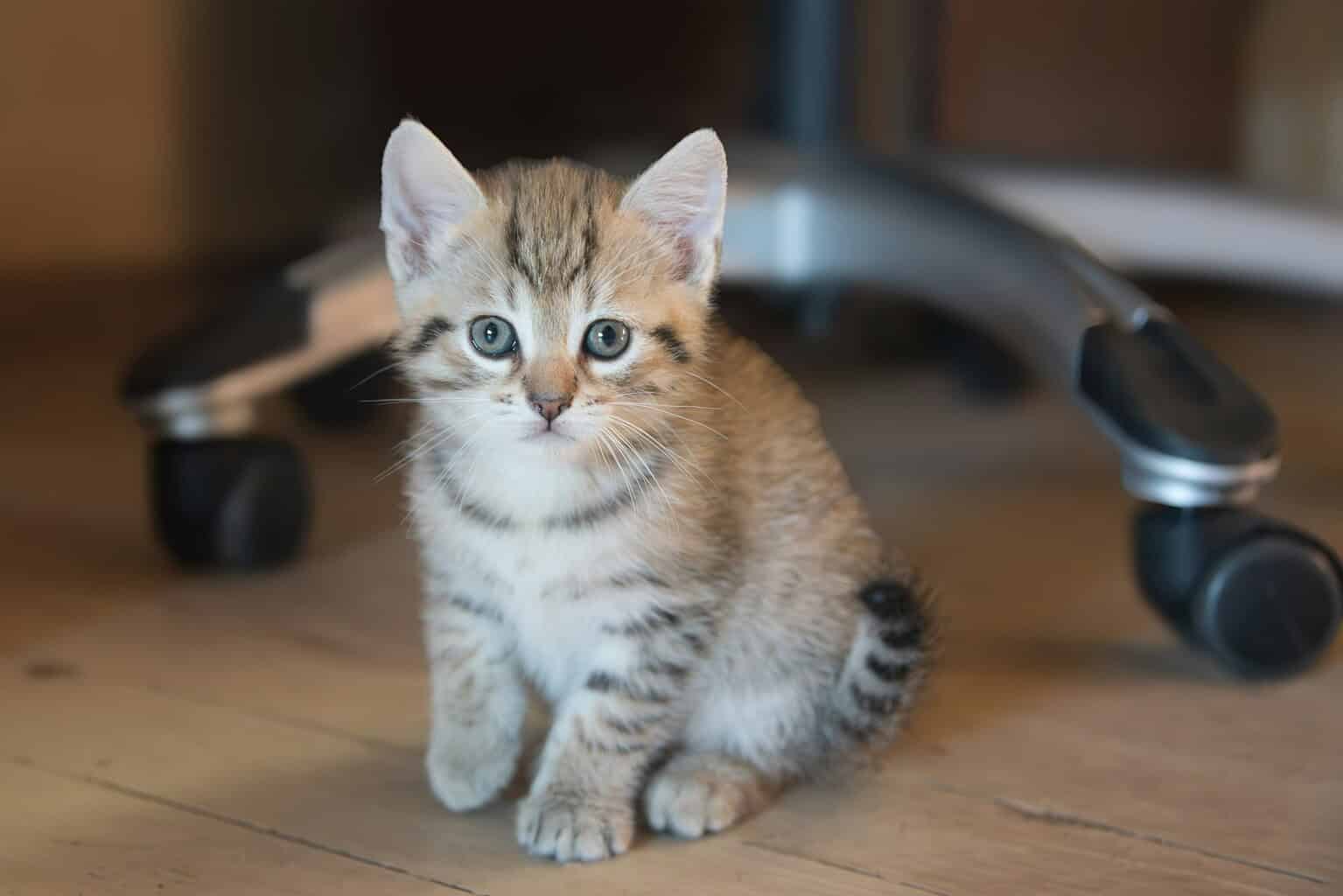
Most kittens litter train themselves in two to four days — your job is to remove every reason not to. Put a low-sided box with unscented clumping litter in a quiet corner near where the kitten sleeps, set the kitten in it after every nap, meal and play session, scoop it twice a day, and never punish an accident. Kittens instinctively bury waste in loose substrate from around three to four weeks old. If it is not working, the box is almost always the problem, not the cat.
What you need before the kitten arrives
Four things, and the box is the one people get wrong.
- A low-sided box. A kitten needs to be able to walk in, not climb in. Sides of about 2–3 inches. A cardboard tray or a baking pan works for the first few weeks — you will size up fast.
- Unscented, clumping litter. Scented litter is for humans; kittens find it aversive. Fine-grained clumping clay is what most kittens take to fastest. Our best cat litter guide compares PrettyLitter, Dr. Elsey’s and World’s Best if you want the detail.
- One box per cat, plus one. A single kitten in a house gets two boxes. It sounds excessive; it prevents the majority of training failures.
- An enzyme cleaner. Not bleach, not vinegar — an enzymatic cleaner, because it removes the scent marker that tells a kitten this is the toilet now.
The step-by-step method
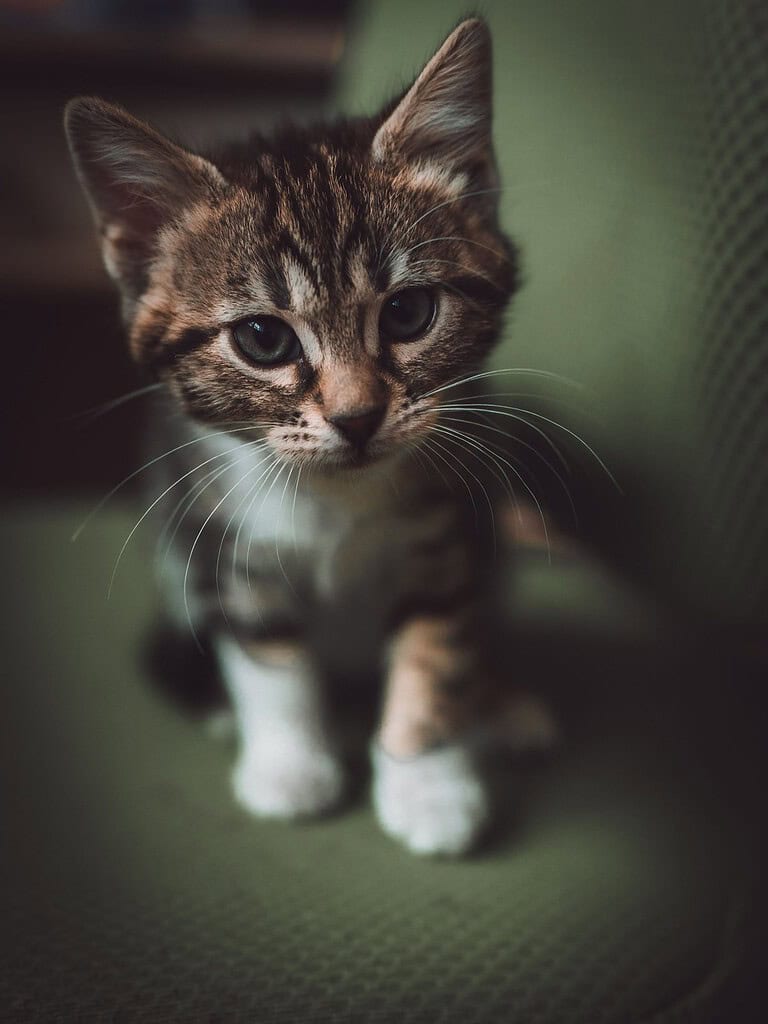
Confine, prompt, reward, repeat. That is the whole method, and it usually takes under a week.
Step 1: Start small
For the first few days, keep your kitten in one room — a bathroom or spare bedroom — with the box, food, water and a bed. A whole house is too much floor for a kitten to reliably find a box in time. Keep food and the litter box at opposite ends of the room; cats will not toilet where they eat.
Step 2: Prompt at the right moments
Place your kitten gently in the box at every one of these moments:
- Immediately after waking from a nap
- Five to fifteen minutes after every meal
- After any burst of play
- Any time you see circling, sniffing the floor, or scratching at a rug
Set them down in the litter and let them step out on their own. Do not hold them in it — that turns the box into a place where they get restrained.
Step 3: Reward the second it happens
Quiet praise or a tiny treat, immediately after they use the box, while they are still standing next to it. Timing beats size — a treat five minutes later teaches nothing.
Step 4: Scoop obsessively
Twice a day, minimum, for a kitten. Cats are far pickier than we are about a soiled box, and a dirty box in week one is the fastest way to create a kitten who pees behind the sofa. Full litter change and a wash with mild unscented soap weekly.
Step 5: Expand the territory slowly
Once you have had three or four accident-free days, open up one more room at a time. Every time you expand, add a box or make sure there is one within easy reach — a kitten will not cross a whole house when they need to go.
Troubleshooting: why it is not working
If a kitten is missing the box, run down this list in order — it is almost always one of the first three.
| What you are seeing | Most likely cause | Fix |
|---|---|---|
| Goes right beside the box | Box is dirty, too small, or the litter feels wrong | Scoop daily, size up, switch to fine unscented clumping |
| Goes in one specific corner of a room | Residual scent marking that spot as the toilet | Enzyme cleaner, then put a box on that exact spot for a week |
| Cannot get into the box | Sides too high for short legs | Swap to a tray with 2–3 inch sides until they grow |
| Avoids a covered box | Feels trapped, or the smell is concentrated inside | Take the lid off |
| Straining, crying, or going very frequently | Possible medical issue, including UTI or blockage | Call your vet the same day |
That last row matters more than the rest combined. Sudden litter box failure in a kitten who was doing fine is a medical flag first and a training problem second. If it is an older cat rather than a kitten, we go deeper in why is my cat peeing outside the litter box?
Setting up for the long run
A mat under the box catches tracked litter (our picks are in the best cat litter mats roundup), and once your kitten is full grown you will want a properly sized box — see the best cat litter boxes of 2026. If the room ever starts to smell, that is a setup problem with known fixes: nine ways to get rid of litter box smell.
And while you are kitten-proofing: a kitten who has learned the front door is interesting is a kitten who will eventually try it. We make $38 designer acrylic NFC pet ID tags — our honest bias, declared — and the reason we mention them on a litter training page is that new kittens are the highest-risk group for escaping. A tap of any phone on the tag brings up your contact details, with no app needed for whoever finds them, engraved details on the back as backup, and no subscription. It does not replace a microchip; it is the thing that works in a neighbour’s hands immediately. Everything else you need is in our new kitten checklist.
Get Your Tag
New kitten, open front door. One tap of any phone and a stranger knows exactly who to call.
Frequently asked questions
At what age can you litter train a kitten?
Kittens generally start using litter on their own between three and four weeks old, once they are steady on their feet. A kitten adopted at eight to twelve weeks has usually learned from their mother already and just needs to be shown where your box is.
How long does it take to litter train a kitten?
Two to four days for most kittens if the box is right, and under two weeks for nearly all of them. If you are past two weeks with regular accidents, treat it as a setup or medical problem rather than a training one.
What litter is best for kittens?
Fine-grained, unscented clumping litter. Avoid heavily scented litters, and avoid crystal litters early on — some kittens dislike the texture, and very young kittens sometimes eat non-clumping clay.
Should I use a covered litter box for a kitten?
Start uncovered. Hoods trap odour and make some cats feel cornered. You can always add a lid later if your grown cat prefers privacy.
How do I stop my kitten tracking litter everywhere?
A textured mat in front of the box catches most of it, and a slightly deeper box helps too. Sweeping daily for the first month is just part of kitten life.
What if my kitten pees on the bed or a rug?
Clean it with an enzymatic cleaner so the scent marker is gone, block access to the spot for a week or two, and add a litter box closer to where it happened. Never rub a kitten’s nose in it — punishment teaches them to hide the behaviour, not stop it.