Why Does My Cat Follow Me to the Bathroom? 7 Real Reasons (and What It Means)
 Shiloh’s House Team
·
·
5 min read
Shiloh’s House Team
·
·
5 min read
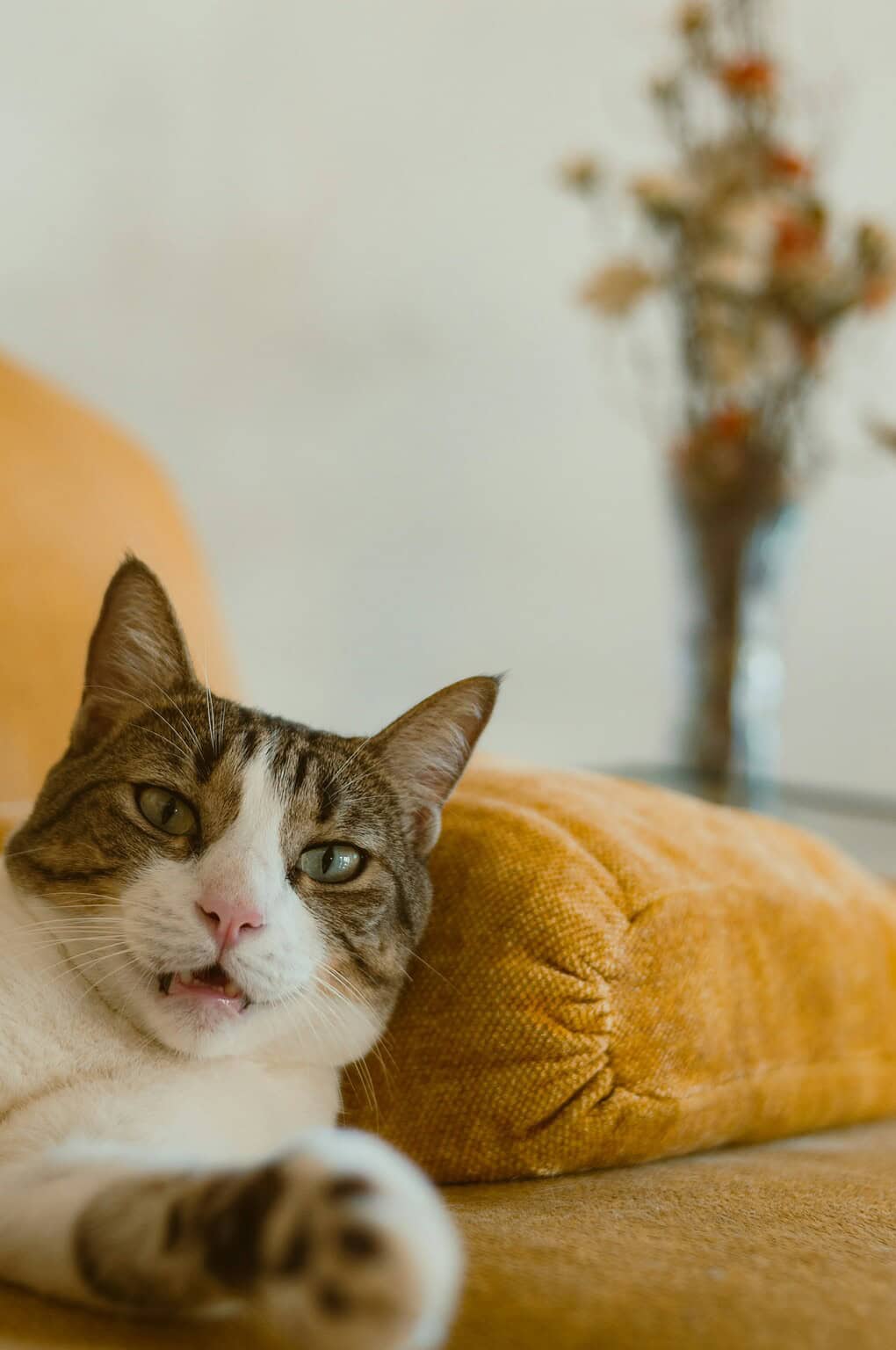
Your cat follows you to the bathroom because you are the most important resource in their world and you just walked into a small room and closed a door. Add in a running tap, a warm sink, a rare moment when you are sitting still and available, and a closed door that they cannot see through, and the bathroom becomes the most interesting place in the house. It is normal, it is a compliment, and it is only worth a second look when it comes with clinginess everywhere else.
1. You are the resource, and they keep track of you
Following is a low-cost way of keeping tabs on the thing that matters. This is the same instinct behind a cat trotting ahead of you to the kitchen at breakfast. The bathroom is simply one more room on the route.
Cats also bond to a preferred person rather than the household generally. If you are the one who gets followed, you are likely the one they have chosen.
2. Closed doors are intolerable
This is why the scratching starts the second the latch clicks. It is not really about you being in there — try closing the bathroom door with nobody inside and watch what happens. The urge is to keep every part of the territory checkable.
Cats are also, quietly, control-oriented about exits. A room they cannot leave or enter at will is a room they want to be inside.
3. It is the one time you are still and available
You are sitting down, at cat height, not typing, not cooking, and not leaving. From a cat point of view this is a perfect attention window, and a cat who has ever been petted in that window will come back for it. Many cats headbutt or ask for a lap specifically here for that reason — the same logic behind headbutting in general.
4. Running water is fascinating
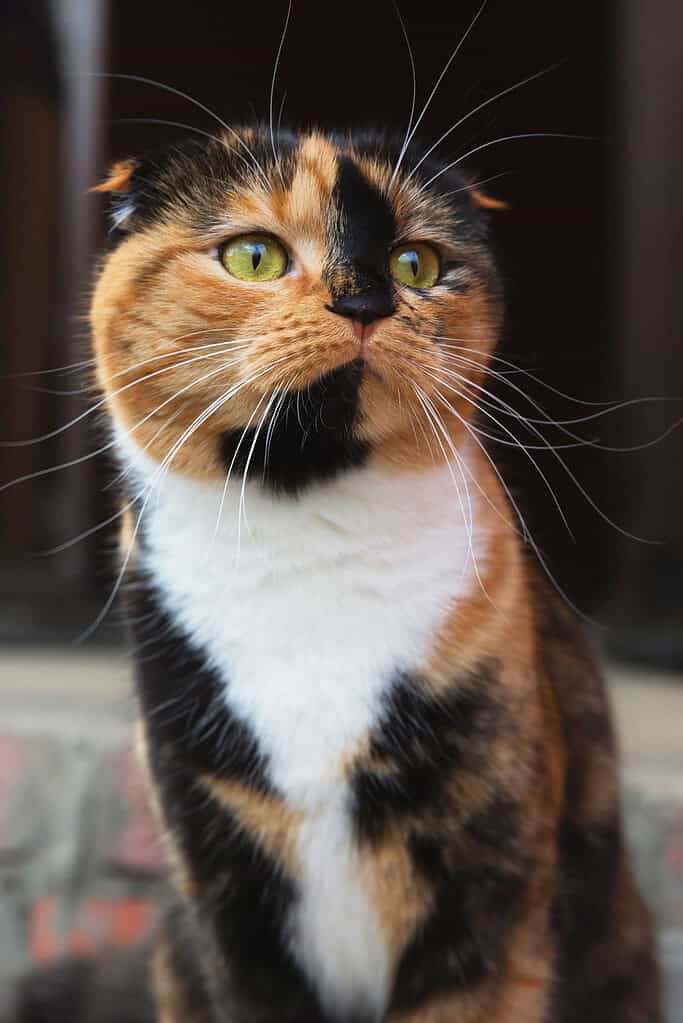
Cats are drawn to moving water because still water in a bowl reads as less fresh to them. A tap, a shower, or a filling bath is genuinely appealing, and plenty of cats prefer drinking from a faucet over their own bowl. If your cat waits at the sink expectantly, that is a hydration hint worth acting on — a fountain in the kitchen often converts a bathroom loiterer into a normal drinker.
5. The bathroom is warm, cool, or interesting depending on the season
Tile is cool in summer, the tub holds heat after a shower, and the bath mat is the softest thing on the floor. Cats choose sleeping spots by temperature more than sentiment. A sink is also a perfect cat-sized bowl with high sides, which is why so many of them nap in one.
6. It is a scent exchange
Cats read the bathroom as a rich scent map, and they add their own by rubbing on your legs and the doorframe. Rubbing deposits scent from glands on the cheeks and flanks, blending your smell with theirs. It is the same social behavior as a cat winding around your ankles when you get home — group identity by shared smell.
7. Habit, learned early
If following you produced attention once, it became a routine. Kittens raised underfoot are especially prone. There is no deeper meaning to unpick here; the behavior persists because it worked, in the same way that staring at you persists as a request that gets results.
Is it a problem? When following becomes something else
Bathroom shadowing is normal. Following you into every room while crying, refusing to settle, or panicking when you leave the house is a different pattern worth attention.
| Behavior | Reading | Do anything? |
|---|---|---|
| Follows you in, settles, naps | Bonded and curious | No |
| Scratches at a closed door | Territory access, not distress | Optional door stop or perch |
| Waits at the tap every time | Prefers moving water | Try a fountain |
| Constant vocal following, all rooms | Could be anxiety, hunger, or illness | Watch weight and appetite |
| New clinginess in an older cat | Vision, hearing, or cognitive change | Vet check |
A sudden change is the thing to notice. A cat who has never been clingy and now will not leave your side, especially an older one, is worth a vet appointment — hyperthyroidism, failing eyesight, and feline cognitive decline all show up as new shadowing. The same rule applies to a cat who suddenly starts meowing far more than usual.
Should you let your cat in the bathroom?
Yes, if you do not mind — there is no behavioral harm in it. If you would rather have the room to yourself, do not shut the cat out abruptly and then reward the scratching by opening the door. Give them somewhere better: a perch by a window, a cardboard box outside the door, or a small food puzzle handed over right before you go in. Consistency matters more than the rule you pick.
Frequently asked questions
Why does my cat scratch at the bathroom door?
Because a closed door blocks part of their territory. It is usually about access rather than about you. Opening the door on demand teaches them that scratching works.
Why does my cat sit on my lap in the bathroom?
You are seated, still, and at their level. For many cats that is the easiest lap opportunity of the day.
Do cats follow you because they are protective?
Not in a guarding sense. It is closer to social monitoring — keeping the important member of the group in sight.
Why does my cat suddenly follow me everywhere?
New clinginess can mean stress from a household change, an unmet need such as hunger, or a medical issue. In cats over about eight, get it checked.
Is it a sign my cat loves me?
Following, rubbing, slow blinking, and kneading are all affiliative behaviors. Cats direct them at people they are bonded to, so yes, in the way cats do it.
Do all cats do this?
No. Independent cats and cats from less handled backgrounds often do not. It says more about individual temperament than about how good an owner you are.
The one thing your indoor shadow still needs
The cat who follows you everywhere is exactly the cat most likely to slip past you at the front door. Indoor cats account for a large share of lost pet cases precisely because they are not expected to get out and often wear no ID. Our guide on whether indoor cats need ID tags covers the argument in full. Our own designer acrylic NFC smart tags are 38 dollars, light enough for a breakaway cat collar, engraved on the back as a permanent backup, and tap to open your pet profile on any phone with no app for the finder. We make them, so weigh that as you like — the underlying advice is that indoor-only is not a safety plan.
Get Your Tag
Lightweight acrylic for cat collars, engraved backup, one tap to your full pet profile.